
-
Spring Crappie Fishing in Minnesota: A Local Guide’s Playbook
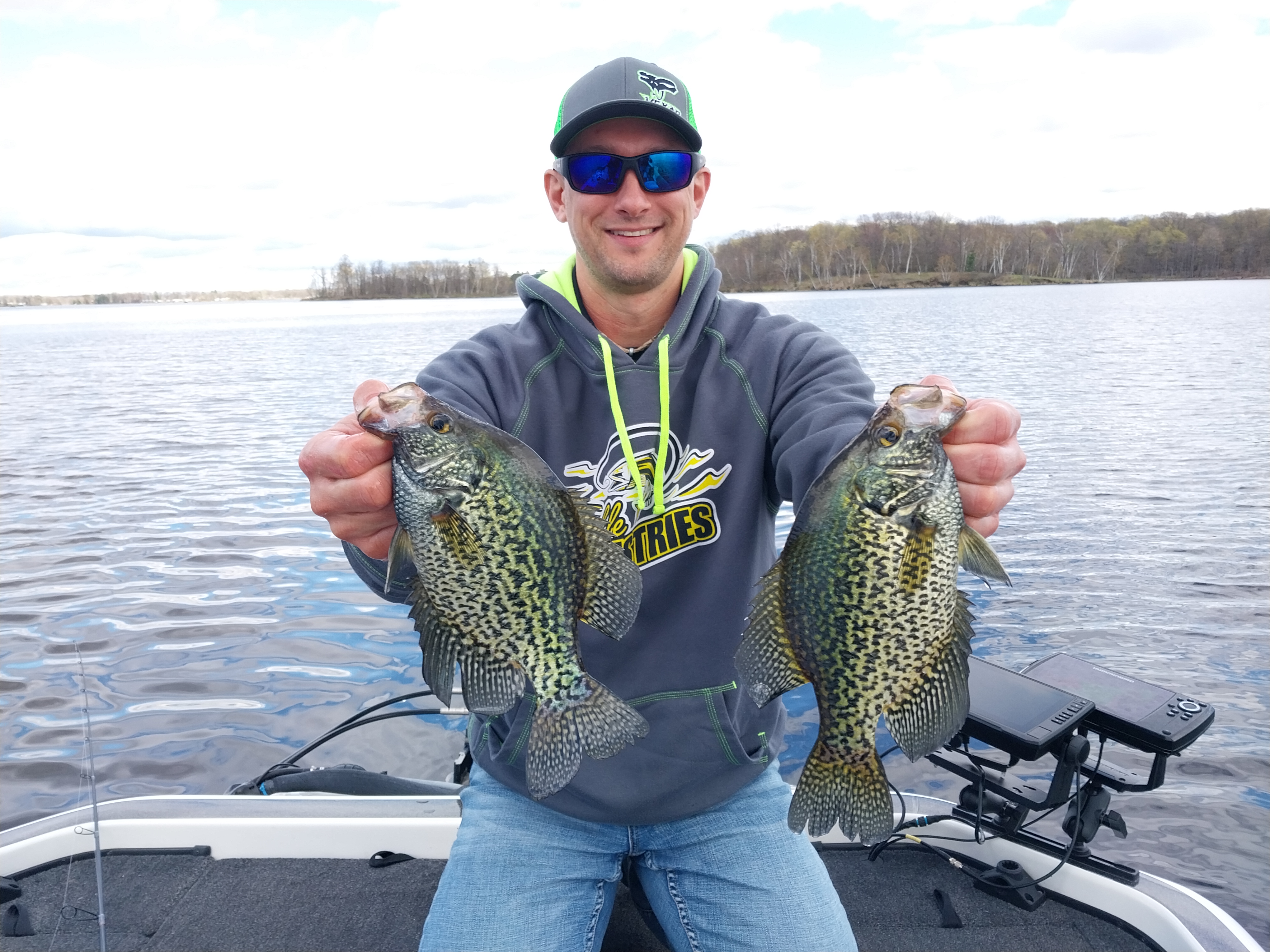
If there’s one thing Minnesotans can agree on after ice-out, it’s this: spring crappie season is sacred. The snow finally melts, the lakes wake up, and panfish anglers across the state dust off the long rods for some of the best fishing of the year.
Crappies are predictable in spring—if you know what to look for. This playbook breaks down where to find them, how to catch them, and how to fish like a local, whether you’re on a tiny metro pond or a sprawling northern lake.
Why Spring Is Prime Time for Crappies
Crappies are cold-blooded and comfort-driven. As soon as ice leaves the lake, they begin a slow migration from winter basins toward shallow spawning areas. That movement creates concentrated fish in easy-to-reach water, which is why spring is such a confidence booster—even for newer anglers.
Key reasons spring is special:
- Fish are grouped up
- Shallow water means simple presentations
- Crappies are aggressive and forgiving
- You don’t need fancy electronics to catch them
In Minnesota, this window typically opens late April through May, depending on latitude and weather.
Where to Find Spring Crappies (Minnesota Style)
1. The First Stop: Shallow Bays
Right after ice-out, crappies slide into north-facing bays first. These areas warm up faster and attract plankton, minnows, and insects.
Look for:
- Mud bottoms (they warm fastest)
- Dark water
- Protected areas out of the wind
Depths can be shockingly shallow—2 to 6 feet isn’t uncommon early.
2. Cover Is King
Crappies love something overhead. In spring, that usually means:
- Emerging weeds
- Old cattails and reeds
- Fallen trees and brush
- Docks and boat lifts (especially at night)
If it breaks the surface or creates shade, check it.
3. The Pre-Spawn Sweet Spot
As water temps climb into the 50–60°F range, crappies stage near spawning flats:
- Outside edges of reed beds
- Transitions from mud to sand
- Subtle drop-offs near shallow water
They’ll slide in and out throughout the day, so don’t be afraid to move.
The Local Tackle Box: Keep It Simple
Minnesota spring crappie fishing is about finesse—not flash.
Rod & Line
- 6–7 ft light or ultralight rod. My go to is the Vexan Walleye 7'4 ML or 7' ML. Use discount code muskygeek15 for a discount at vexan.com.
- 4–6 lb mono or light braid with a mono leader
Go-To Presentations
1. Slip Bobber + Jig: The gold standard.
- 1/32 to 1/16 oz jig
- Set bobber so the jig rides just above the fish
- Adjust constantly until you dial them in
2. Small Plastics
- Tube jigs
- Paddle tails
- Baby shad bodies
- Hair jigs and marabou jigs
Colors to start with:
- Black
- Chartreuse
- White
- Pink (don’t laugh—it works)
3. Minnows (Early Season)
When the water is cold and fish are finicky, a small fathead minnow can save the day.
Timing Like a Local
Crappies bite all day in spring, but locals know the magic windows:
- Late afternoon into dusk is often best
- Calm, sunny days warm shallow water fast
- After a cold front, fish deeper and slow down
If the water feels warm on your hand, you’re in the right neighborhood.
Minnesota Ethics: Keep It Fun, Keep It Sustainable
Spring crappies are extremely vulnerable:
- Keep a modest meal, not a limit
- Release larger females full of eggs (anything over 12 inches)
- Big females keep genetics in the lake
- Handle fish gently in shallow water
A healthy crappie population means great fishing for years to come.
Final Thoughts: Trust the Process
Spring crappie fishing in Minnesota isn’t about luck—it’s about paying attention. Water temperature, sunlight, cover, and patience matter more than expensive gear.
If you’re not getting bites:
- Move shallower
- Slow down
- Change depth before changing spots
And when that bobber slides under for the tenth time in an hour? That’s when you remember why winter was worth surviving.
Tight lines 🎣
Comments
- (no comments)