-
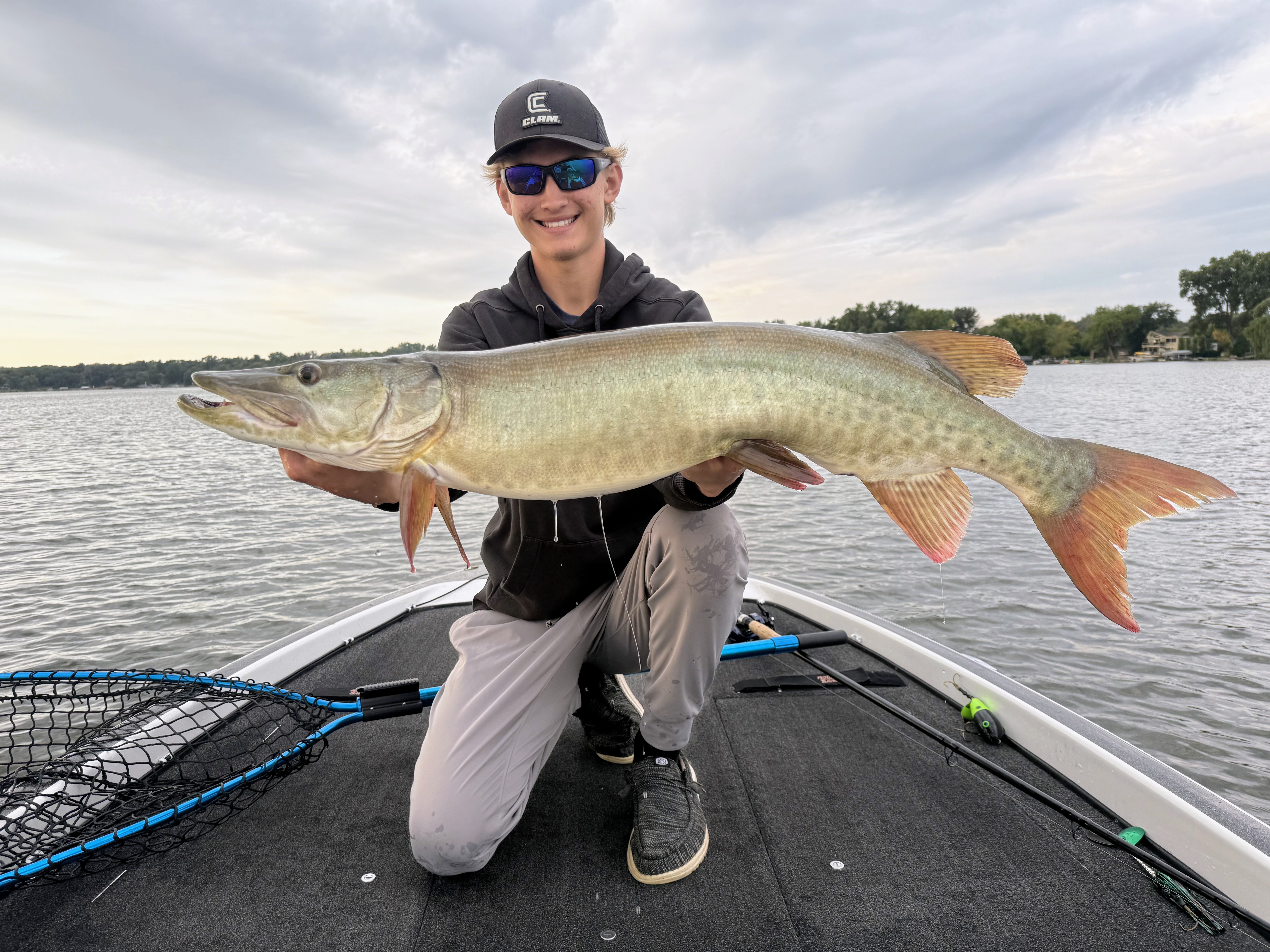
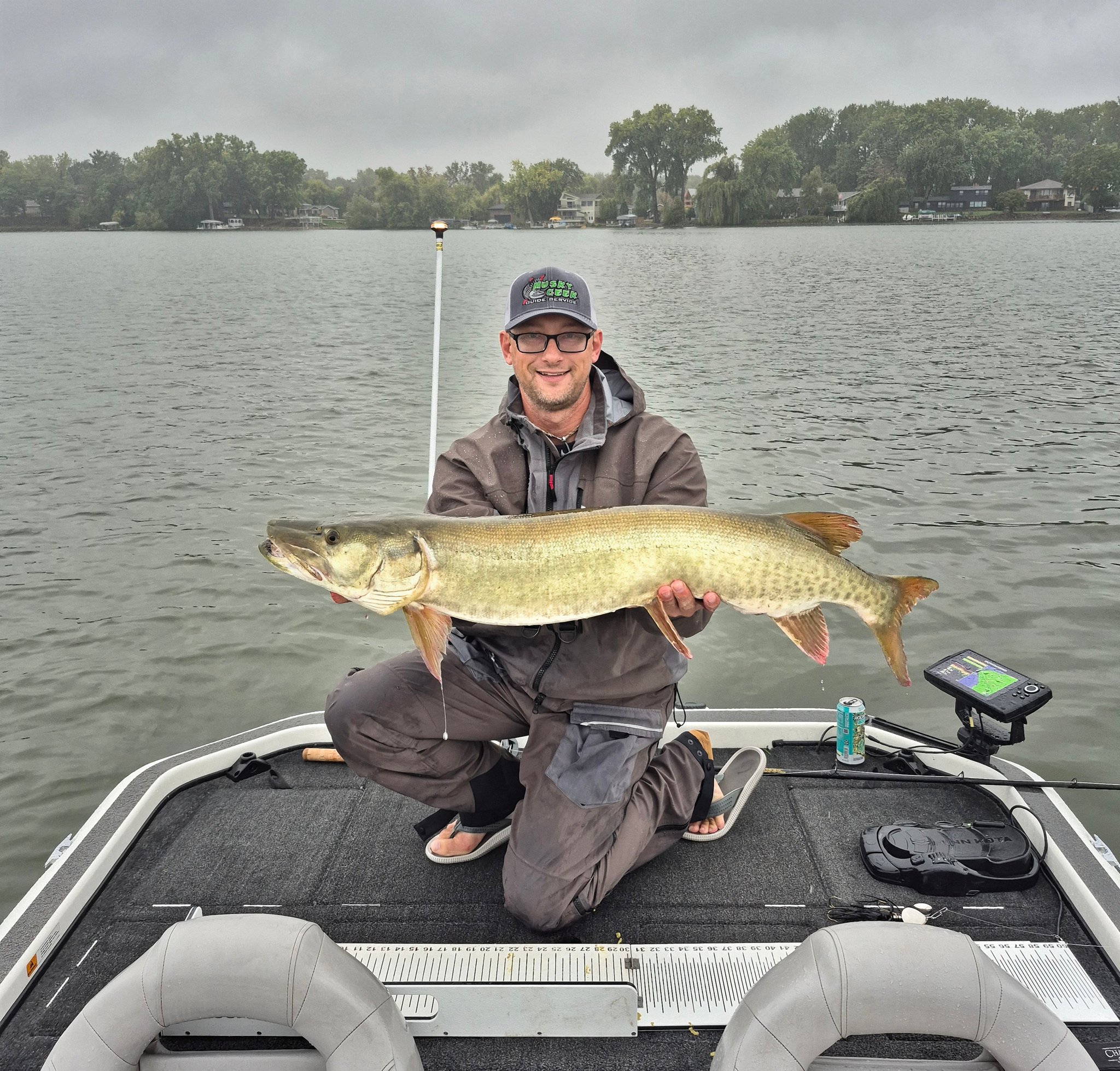
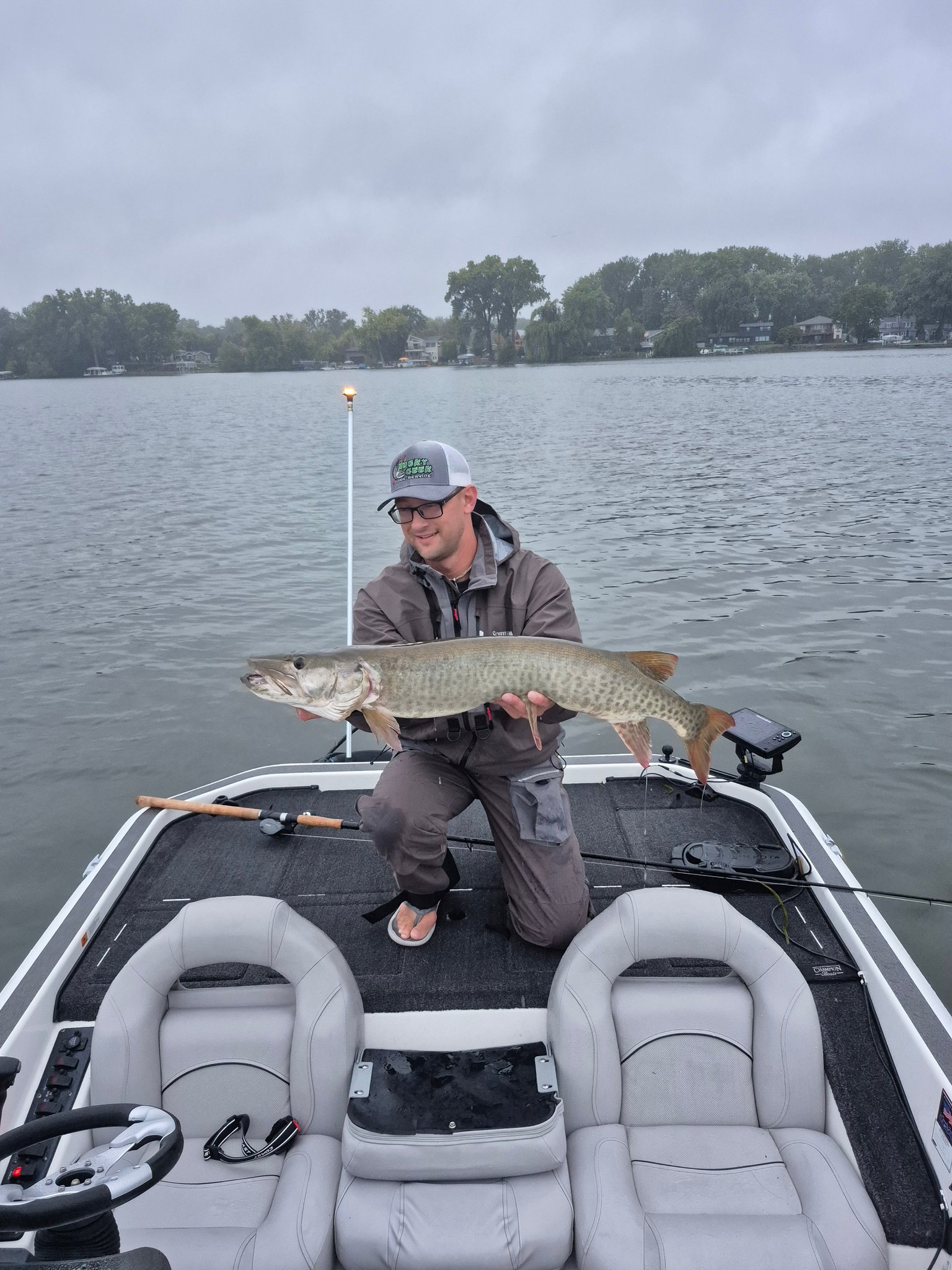
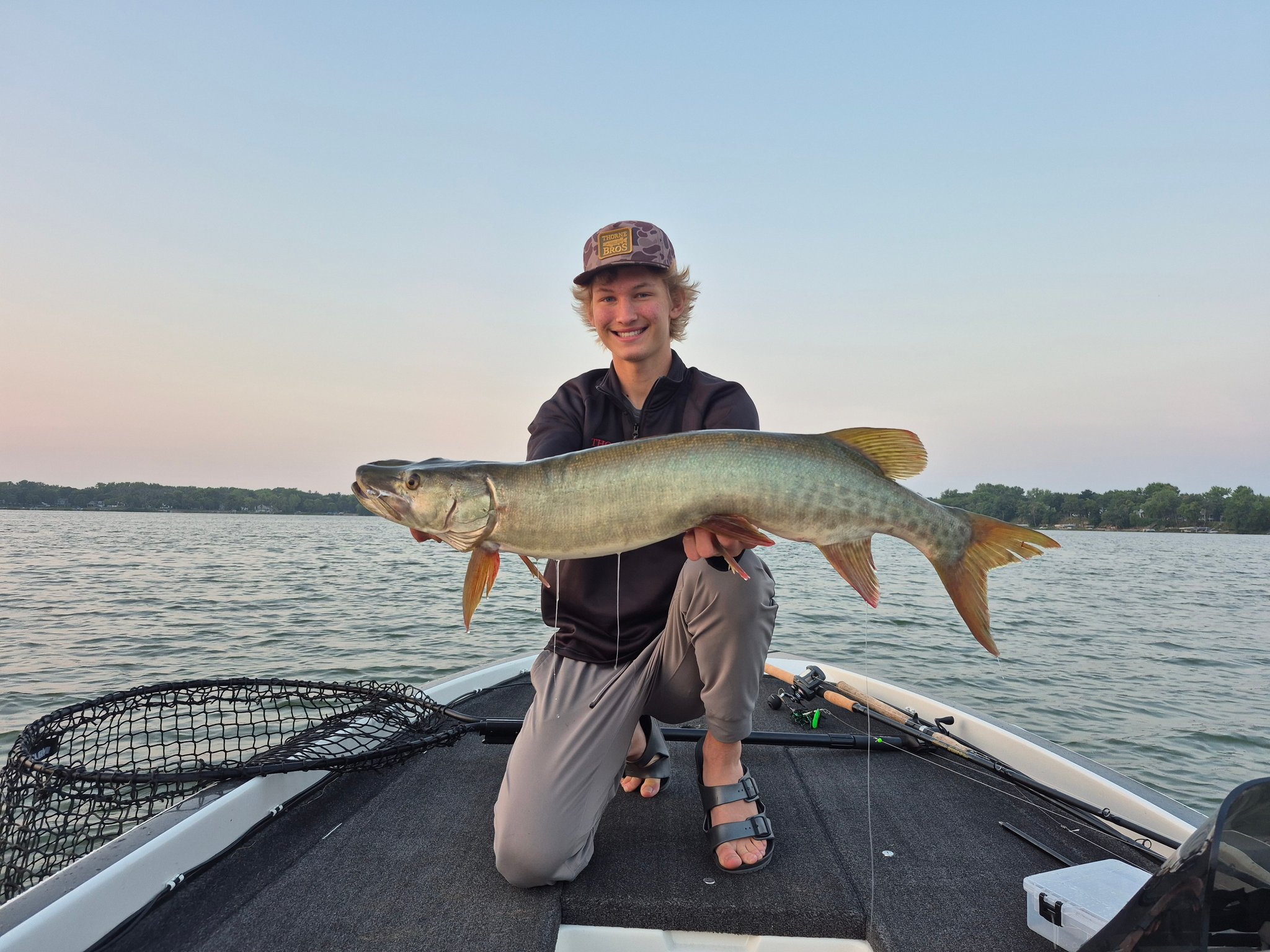
Late September Minnesota musky fishing is heating up as water temperatures settle around 63 degrees and muskies continue to move into predictable shallow-water areas. This is one of the most exciting times of the season to get on the water for a Minnesota musky fishing trip.
Shallow Bucktail Musky Fishing Is Producing
The shallow-water bite has been consistent, with bucktails producing muskies in shallow water around predictable locations. Weed edges, shallow flats, and areas holding baitfish are continuing to be important areas to check.
At this point in the fall, location is becoming increasingly predictable. The challenge isn't necessarily finding shallow water — it's identifying which shallow areas are holding fish and being there when those muskies are ready to feed.
For anglers targeting Twin Cities muskies, this late-September pattern provides some excellent opportunities to target active fish without necessarily having to fish extremely deep.
Low Barometric Pressure Is Key
Weather conditions are becoming increasingly important as we move deeper into fall. Low barometric pressure has been a key factor in the late-September musky bite, with muskies showing increased activity when favorable weather conditions line up.
These changing fall conditions can create short but highly productive feeding windows. Paying attention to approaching weather systems, wind direction, and barometric pressure can help determine when to spend time targeting shallow muskies.
Moon Times Are Playing an Important Role
Moon activity is also becoming an important piece of the puzzle. Moon times can help identify the most productive feeding windows, especially when they overlap with favorable weather and low-pressure conditions.
For serious Minnesota musky anglers, combining moon times, weather conditions, water temperature, and location can help narrow down the periods when muskies are most likely to become active.
Late September Is Prime Time for Minnesota Muskies
With water temperatures around 63 degrees, active shallow-water fish, and bucktails producing, the late-September musky bite in Minnesota is setting up well.
If you've been waiting for fall conditions to target a big Minnesota musky, this is the time to get on the water.
Musky Geek Guide Service offers guided musky fishing trips in the Twin Cities and surrounding Minnesota waters. Whether you're an experienced musky angler looking for another opportunity at a trophy fish or you're looking to catch your first musky, late September provides an excellent opportunity to experience the fall musky bite.
Book Your Minnesota Musky Guide Trip with Musky Geek Guide Service and get on the water while the shallow-water fall bite is happening.
-
Twin Cities musky fishing is heating up as we move into prime early-fall conditions. Water temperatures are hovering around 65°F, and water clarity remains limited, with a green tint in most areas.
Weed growth is about perfect for the shallow musky bite, with healthy vegetation allowing bucktails to be worked effectively in the 4-foot range. Small bluegills are the primary forage right now as I've seen plenty of gills getting chased in the shallows lately. Muskies are actively moving through shallow structure tops, weed edges, and shallow flats.
Bucktails and topwater baits have been the primary presentations. The fish are moving and using the shallow water, so covering productive water and getting your bait in front of active fish is the name of the game. Right now, you don't necessarily need to fish deep—you need to put the bait on their head.
For anglers looking for a Minnesota musky fishing guide or a Twin Cities musky fishing guide, this is a great time of year to get on the water. The combination of stable weather, 65-degree water, active shallow fish, and healthy weed growth is creating the kind of conditions fall musky anglers wait for.
Ready to chase Twin Cities muskies? Book a fall musky fishing trip with Musky Geek Guide Service and get on the water while the shallow bite is happening.
-
When to Start Fishing Live Bait for Fall Muskies
Sep 21, 2026
Every fall, musky anglers ask the same question:
"When should I put the artificials away and start fishing live bait?" The answer isn't a specific date on the calendar. It's all about water temperature, fish behavior, and seasonal transitions. While bucktails, jerkbaits, and rubber continue catching fish well into the fall, there comes a point when live bait becomes one of the most effective presentations you can put in front of a trophy musky. Knowing when that transition begins can make the difference between simply seeing fish and putting one in the net.
Why Fall Changes Everything
As September gives way to October, lakes begin cooling rapidly. The shorter days, cooler nights, and frequent cold fronts signal one thing to muskies: Winter is coming. Unlike summer, when fish may feed in short windows, fall muskies become increasingly focused on putting on weight before the long winter ahead. Their metabolism is slowing, but their need for large, calorie-rich meals is increasing. That's why larger forage becomes so attractive.
Water Temperature Is the Best Indicator
Instead of watching the calendar, watch your electronics. Many experienced musky anglers begin preparing live bait when water temperatures fall into the low-60s. As temperatures continue dropping into the mid-50s and below, live bait just gets better and better on many Minnesota lakes. That doesn't mean artificial lures suddenly stop working, far from it actually. Bucktails, glide baits, rubber, crankbaits, and jerkbaits can all continue producing outstanding fish. However, live bait becomes another powerful option that can trigger muskies that aren't willing to chase fast-moving presentations.
Why Live Bait Works
During the fall transition, muskies often become more selective. Rather than chasing multiple small meals throughout the day, they frequently look for larger, easier opportunities. A lively sucker swimming naturally can be difficult for even neutral fish to ignore.
Live bait offers several advantages:
- A natural swimming action.
- A large, easy meal.
- The ability to keep the bait in productive areas longer.
- An effective presentation during cold fronts.
- A different look after fish have seen countless artificial lures.
Sometimes the slowest presentation produces the biggest fish.
Where to Fish Live Bait
One misconception is that fall muskies immediately move into deep water. In reality, many remain surprisingly shallow well into the fall.
Focus your efforts around:
- Remaining green weeds
- Weed-to-rock transitions
- Sharp breaklines
- Deep weed edges
- Large points
- Saddles
- Areas holding schools of baitfish
As lakes continue cooling later in the season, fish may begin spending more time relating to deeper structure, but they rarely abandon food. Find the bait, and you'll usually find muskies nearby.
Don't Abandon Artificial Lures Too Soon
One of my favorite fall strategies is combining presentations. I'll often continue casting bucktails, rubber baits, or crankbaits while also running live bait when conditions allow. Why? Because every musky has a different mood. One fish may chase a bucktail 40 feet, the next may refuse to move more than a few inches but eagerly inhale a naturally swimming sucker. Having multiple presentations available lets you adapt throughout the day instead of relying on only one approach.
Timing Is Everything
The biggest mistake anglers make is waiting too long. Every year, I hear anglers say, "I should have gotten out earlier." Minnesota's fall musky season moves quickly. One cold front can dramatically change water temperatures. The next thing you know, leaves are off the trees, nights are below freezing, and the best fishing windows are already behind you. If you're hoping to experience live bait fishing at its best, planning ahead is essential.
Learn Fall Musky Fishing Firsthand
Reading articles and watching videos can teach you a lot. But nothing replaces spending a day on the water with someone who follows seasonal patterns every week. On my guided trips, I explain not just what we're doing—but why.
You'll learn:
- When to begin using live bait.
- How water temperature influences musky behavior.
- Productive fall locations.
- Boat control around key structure.
- Live bait rigging and presentation.
- When artificial lures still outperform live bait.
Whether you're chasing your first musky or your biggest one yet, you'll leave the trip with knowledge you can use for years.
Book Before the Fall Window Closes
Fall is one of the most anticipated musky seasons of the year—and for good reason. Some of the largest fish caught all season come during this period. Unfortunately, it's also one of the shortest. Prime fall dates disappear quickly as serious musky anglers plan their trips months in advance. If you've been thinking about learning live bait fishing or experiencing Minnesota's incredible fall musky bite, now is the time to reserve your trip. The next cool front could be the one that starts the bite you've been waiting for.
Book Your Fall Musky Trip Here
Join the Musky Geek Insider Newsletter
Want to become a more consistent musky angler?
Join my free email newsletter and receive:
- Weekly seasonal musky tips
- Fall bite pattern updates
- New educational articles delivered to your inbox
- Honest tackle reviews
- Guide trip openings before they're posted publicly
- Proven strategies from time spent on Minnesota waters
- Deals on guide trips
Whether you fish every weekend or only a few times each fall, you'll get practical information that helps you spend more time around active fish.
Subscribe today and stay one step ahead of the next musky bite.
-
Early fall is showing up on the water, and the Twin Cities musky fishing bite is starting to reflect the change.
Water temperatures are stabilizing around 69 degrees, and muskies are beginning to move shallow and take advantage of increasingly active baitfish. This is an exciting time to be on the water, with fish showing themselves in shallow weeds, flats, and other ambush areas.
The recent bite has produced fish on both bucktails and topwater baits. That combination makes early fall especially exciting because you can cover water with bucktails while still having opportunities for explosive surface strikes during the right conditions.
We're finding fish in shallow structure and breaklines with scattered weed cover and rock/gravel areas. Fast moving bucktails and topwater lures are getting fish.
Now Is the Time to Get on the Water
If you've been waiting for the early fall musky bite, conditions are lining up. Fish are becoming more active, water temperatures are settling into a productive range, and the shallow-water game is getting underway.
I'm currently booking early fall musky guide trips in the Twin Cities area. If you've wanted to experience Minnesota musky fishing while fish are active and willing to chase, this is a great window to get on the water.
Early fall dates are limited — book your Twin Cities musky trip now.
-
August Musky Fishing: The Start of Fall transition
Aug 24, 2026
The water is continuing to cool, and that transition is already changing the way the fish are feeding. As we move toward the end of August, those cooler temperatures are a welcome sign that fall patterns are getting closer.
Right now, timing is everything. The moon is playing a major role in creating short feeding windows, and being on the right spot when that window opens can make a huge difference. We’re approaching the August 27–28 full moon, so I’ll be paying especially close attention to those major and minor moon periods over the next several days.
The fish are there — you just have to be there when they decide to eat. Right now, I'm relying heavily on bucktails, but topwater baits are in the rotation as well.
🎣 Want to get on the water? August and September dates are available. Book your trip with Musky Geek Guide Service and let’s take advantage of these late-summer feeding windows before fall really kicks in.
Book your trip now!