-
Minnesota Muskie Opener
May 11, 2026
Minnesota Muskie Opener Tactics for Metro Lakes
The Minnesota muskie opener is one of the most anticipated—and misunderstood—times of the season, especially on heavily pressured metro lakes. Early-season muskies behave differently than mid-summer or fall fish, and anglers who adjust their tactics accordingly consistently outfish those who don’t.
If you’re fishing the Minnesota metro area muskie opener, success comes down to location, speed control, and understanding cold-water muskie behavior.
Where Muskies Set Up on the Opener
During the opener, water temperatures are typically in the upper 50s to low 60s. Metro lake muskies are transitioning out of post-spawn recovery and are focused on warmth, security, and easy meals.
Key early-season muskie locations include:
- Shallow bays with dark bottoms that warm quickly
- Inside turns and secondary points near spawning areas
- Emerging weed growth in 4–8 feet of water
- North-facing shorelines that receive the most sunlight
On metro lakes, these areas often get overlooked because anglers rush to traditional summer spots. Early in the season, muskies are far shallower than most people expect.
Slow Is the Rule on the Muskie Opener
One of the biggest mistakes made during the Minnesota muskie opener is fishing too fast. Cold water means slower metabolism, and muskies are unlikely to chase high-speed baits for long distances.
Effective early-season muskie presentations include:
- Small to mid-size bucktails retrieved slowly
- Suspending jerkbaits worked with long pauses
- Soft plastics crawled just above emerging weeds
- Glide baits fished with subtle, controlled movements
Focus on keeping baits in the strike zone as long as possible. Many opener muskies follow first and commit boatside, so disciplined figure-8s are critical even early in the season.
Boat Control Matters on Metro Lakes
Minnesota metro muskie lakes see heavy boat traffic on opener weekend. Proper boat control often makes the difference between seeing fish and actually catching them.
Key boat control tips:
- Keep your distance from shallow fish
- Make longer casts to avoid spooking muskies
- Use the wind to your advantage when possible
- Work areas thoroughly before moving on
Early-season muskies may only give you one chance. Precision beats coverage on opener weekend.
Figure-8s Still Catch Opener Muskies
Many anglers ease up on figure-8s in cold water—but opener muskies still eat at the boat. Early-season fish often follow lazily and need a clean, wide, slow figure-8 to trigger.
Key figure-8 adjustments for opener:
- Wider turns
- Slower speed
- Longer pauses at depth
Treat every follow like it’s the only fish of the day—because on the opener, it often is.
Why a Guided Trip Pays Off on the Opener
Metro lakes can be intimidating during the Minnesota muskie opener. Knowing which lakes warm first, where fish recover post-spawn, and how pressure shifts fish positioning saves weeks of trial and error.
A guided muskie trip during opener weekend puts you on the highest-percentage spots with the right baits, speed, and strategy for early-season conditions—maximizing your chances at your first muskie of the year.
-
Best Spring Crappie Rods: My Second Best Choice
May 7, 2026
Here is a follow up to my last post about the best crappie rods of 2026. In my previous article, I laid out the ins and outs of my ABSOLUTE favorite crappie rod for openwater fishing. In this article I will share my next favorite option!
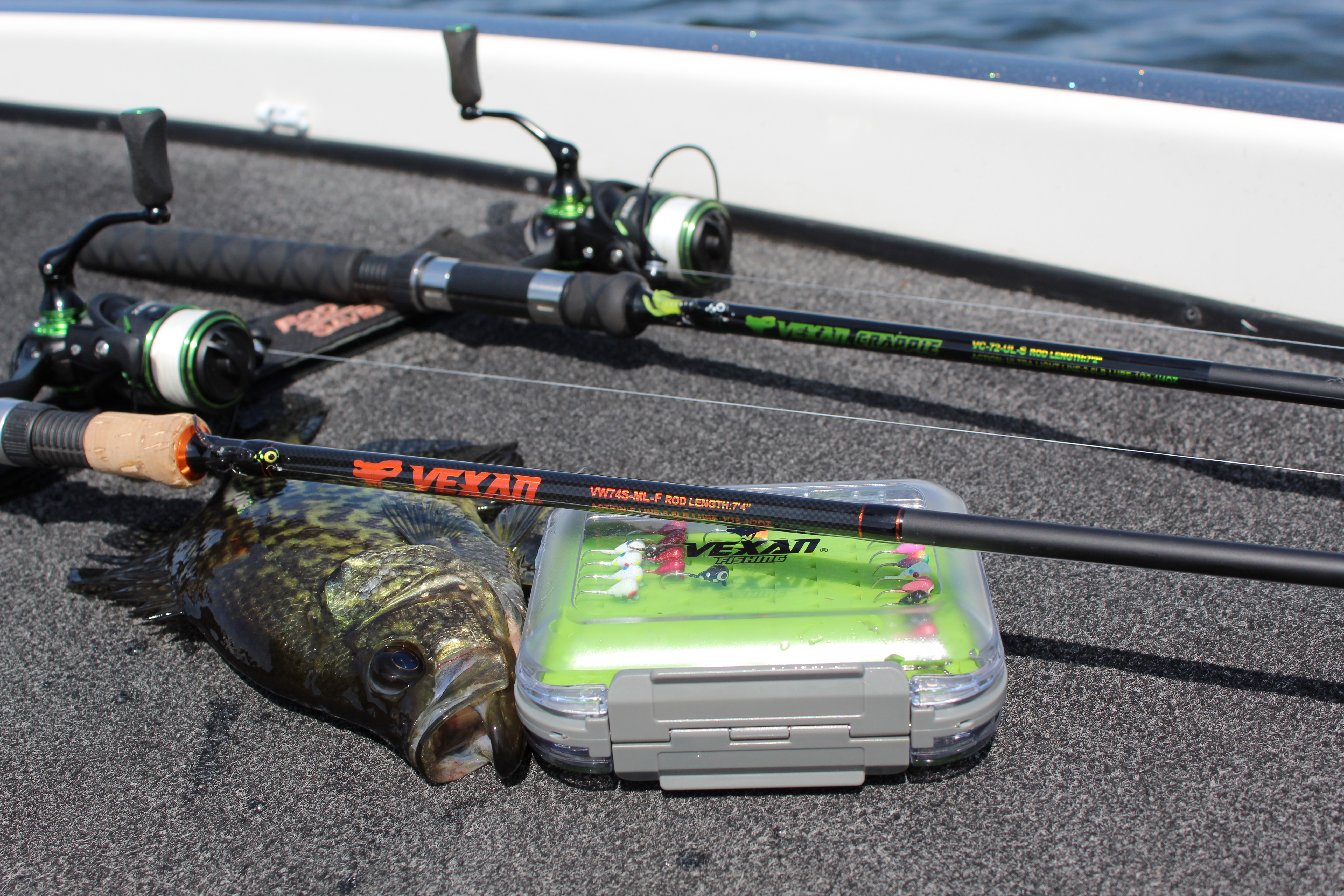
So, what is my second favorite crappie rod? It's the Vexan Fishing Crappie 7'2" in the Light Power. The reason this is my #2 choice, I like having theFeel of the all graphite blank, the extra power and an extra fast action that the Vexan Fishing 7'4" Walleye rod offers. The 7'2" crappie rod is a great option and it's very affordable! What do I like about this rod? First, it comes in a 7'2" length, and it's a little heavier power than your typical whippy, noodley rod that other manufacturers St. Croix or Ugly Stick sell. That extra length and power allows you to cast further, and really torque on the fish if they are in heavy cover like weeds, pencil reeds or timber. The moderate-fast action allows you to launch those light jig and plastics a long distance away from the boat, that way you're not getting too close to the fish and spooking them. If you're in the market for a new crappie rod this season, check out the Crappie Line-Up from Vexan Fishing, they have a lot of other great lengths and powers to chose from as well.
-
If you’re searching for the best crappie rod, you’re probably tired of:
- Missing light bites
- Cheap rods with no sensitivity
- Guessing what setup actually works
Here’s the truth: The rod you’re using right now is probably costing you fish. After fishing pressured crappie waters in Minnesota, I’ve tested a lot of setups—and most just don’t cut it! So if you want a rod that actually helps you catch more crappies, here’s the one I trust. Check my exact crappie rod here: Vexan Fishing
My Top Pick: Vexan Crappie Rod (Best Overall)
Why this is my #1 crappie rod:
- Ultra-sensitive blank - Feel even the lightest bites
- Perfect backbone - You won’t lose fish on hooksets with a floppy noodle rod
- Lightweight design - Fish longer without fatigue
- Built for real conditions - Not just “on paper” specs
If you want more bites AND more fish landed, this is it: Vexan Fishing.
Why Most Crappie Rods Fail (And Cost You Fish)
Most anglers don’t realize this…
They blame:
- The lure
- The location
- The fish
But the real problem is their rod.
Common issues with cheap crappie rods:
Too stiff - you miss light bites
Too soft - you lose fish on hookset
Poor sensitivity - you don’t feel anything
That’s exactly why I switched.
Bonus: My Crappie Setup (Simple + Effective)
If you want to keep it simple, here’s what I run:
Rod: Vexan Crappie Rod
Line: Light mono or braid
Presentation: Small jigs + plastics
Grab the rod I use here: Vexan Fishing
Final Verdict: Is It Worth It?
Yes—if you ACTUALLY want to start catching more crappies.
No—if you’re okay missing bites and losing fish.
The difference between an average day and a great day is often your rod.
-
May and June is prime time for walleye fishing on Minnesota’s metro lakes, and few techniques are more effective—or more overlooked—than slip bobber fishing. As ice-out gives way to warming water, walleyes slide shallow to feed, making them perfect targets for a well-presented slip bobber setup.
Why Slip Bobbers Shine in Spring
Early-season walleyes are predictable. They’re relating to shallow structure like shorelines, points, inside turns, and emerging weed edges—often in 4 to 10 feet of water. Slip bobbers allow you to hold your bait precisely in the strike zone, even when fish are neutral or negative. Unlike jigging or trolling, slip bobber fishing lets the bait do the work. A lively jumbo leech, shiner, or fathead minnow hovering just off bottom is hard for spring walleyes to ignore.
Best Metro Lake Locations
In the Twin Cities metro, focus on:
- Wind-blown breaklines and structure
- Narrows between basins
- Shallow flats near deep water
- Early-season weed growth
These areas warm first and attract baitfish—and walleyes follow.
Slip Bobber Setup Tips
A simple setup is best:
- 10 or 15 lbs braid with 3 foot fluorocarbon leader
- Thill Slip float with brass grommets, matched to your bait size
- Small jig or plain hook with a split shot
- Set your stop so the bait rides about12 - 36 inches off bottom
Anchor or spot-lock just off the structure and let the bobber sit still. Most bites are subtle—watch for sideways movement or slow dips.
Slip Bobber Rod
When fishing with live bait, a quality slip bobber rod can make all the difference. A longer, light to medium-light spinning rod with a fast action helps you cast lightweight rigs farther, detect subtle bites, and maintain better line control when fishing around weed edges, rock piles, and deep breaklines. I've been impressed with the sensitivity and balance of the Vexan Walleye Rod, which is designed to protect light line while still providing enough backbone to drive the hook home on big walleyes. If you're looking to upgrade your setup, check out my go-to rod for slip bobber fishing walleyes, the Vexan 7'6 Med Light. Another great option is the Vexan 7'4 Med It's a rod built for anglers who want maximum sensitivity without sacrificing fish-fighting power.
Timing Matters
Low-light periods are money. Early morning, evening, and overcast days produce the most consistent action. As water temps climb into the low-50s, the bite only gets better.
Book a Guided Spring Walleye Trip
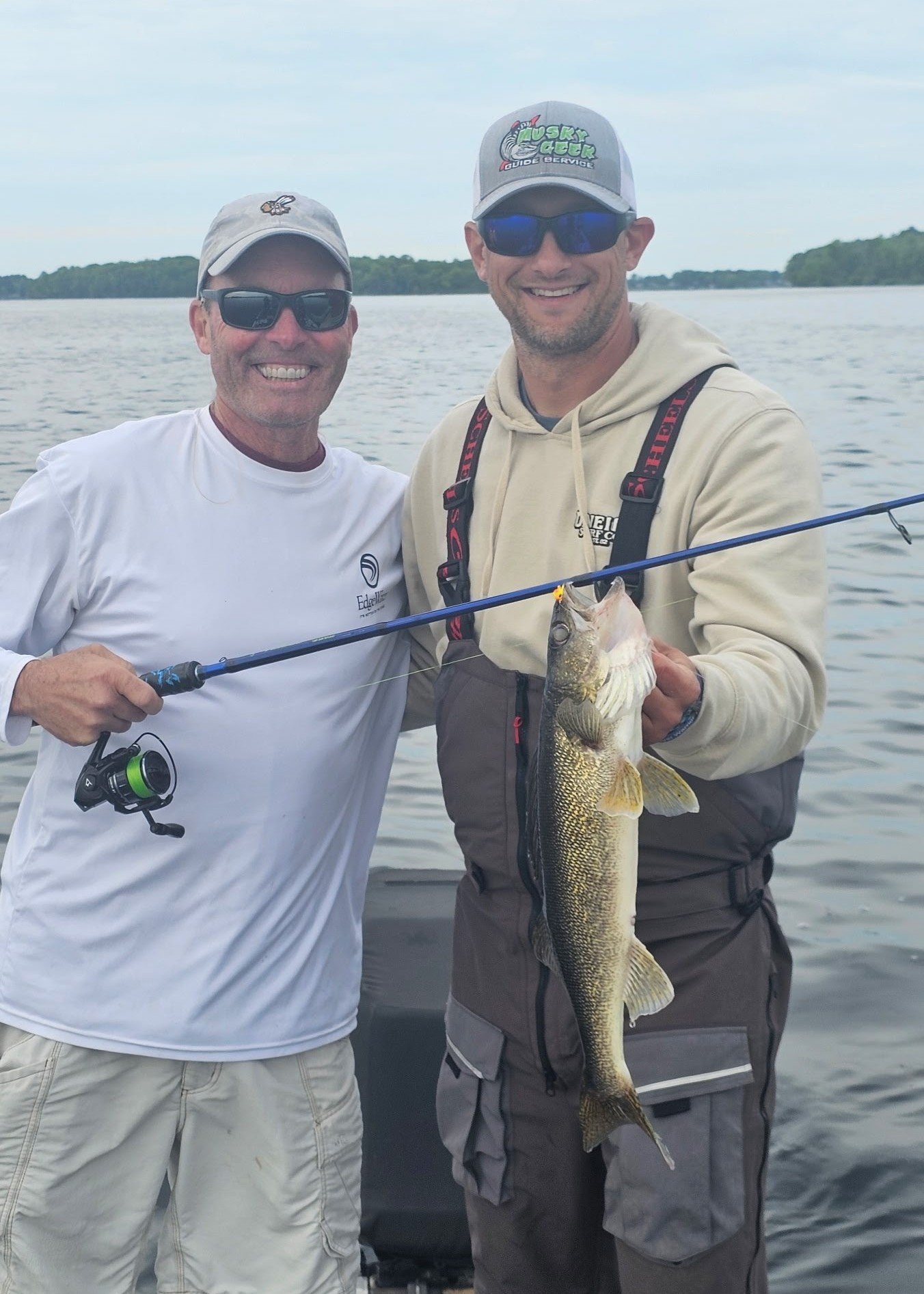
Slip bobber fishing is one of the most reliable ways to put spring walleyes in the net—especially on metro lakes where pressure is high. If you want to shorten the learning curve and fish the right spots at the right time, a guided trip can make all the difference. I do have a limited amount of spring guide dates available.
-
Spring Crappie Fishing report: Minnesota Metro
May 4, 2026
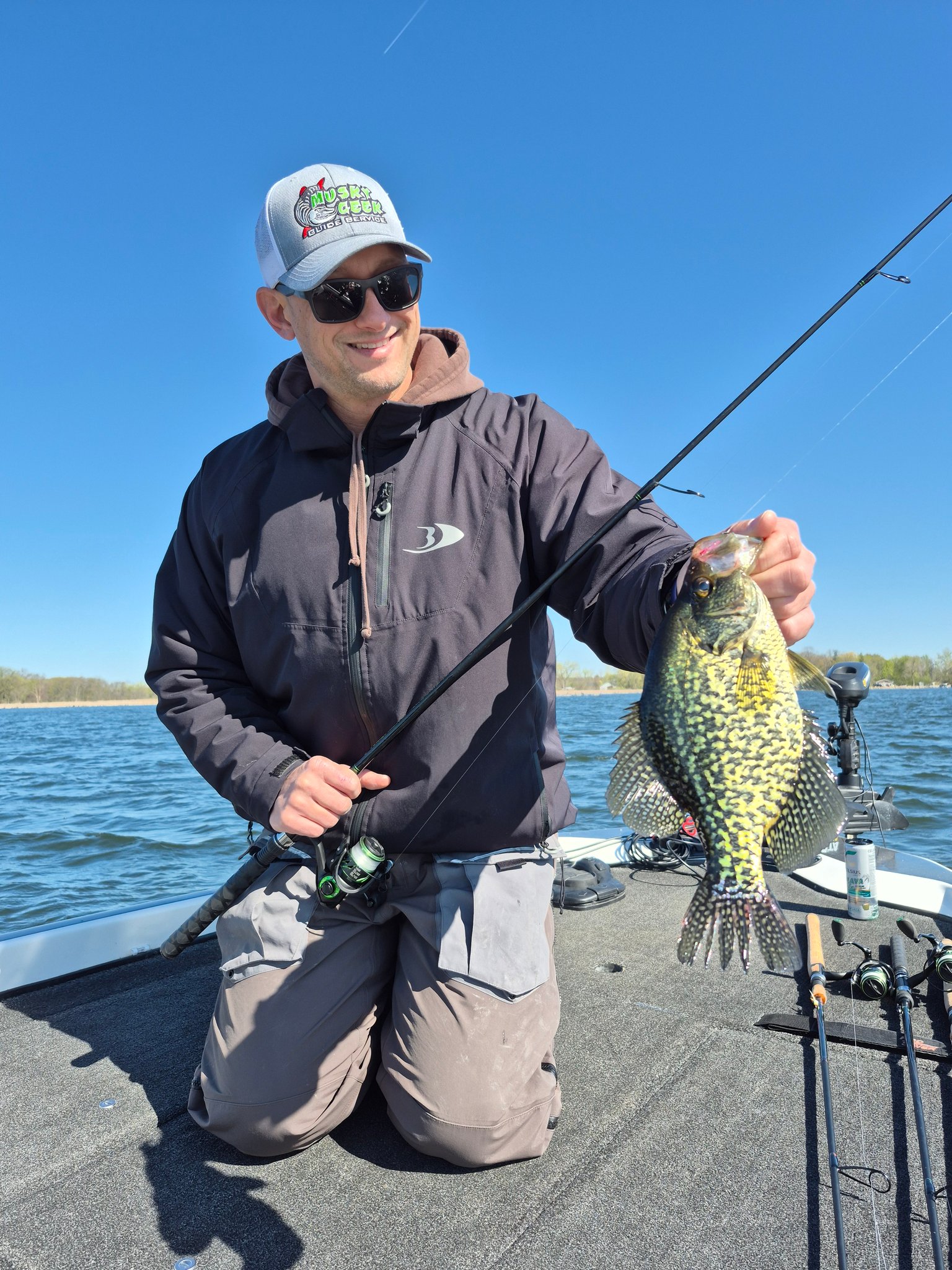
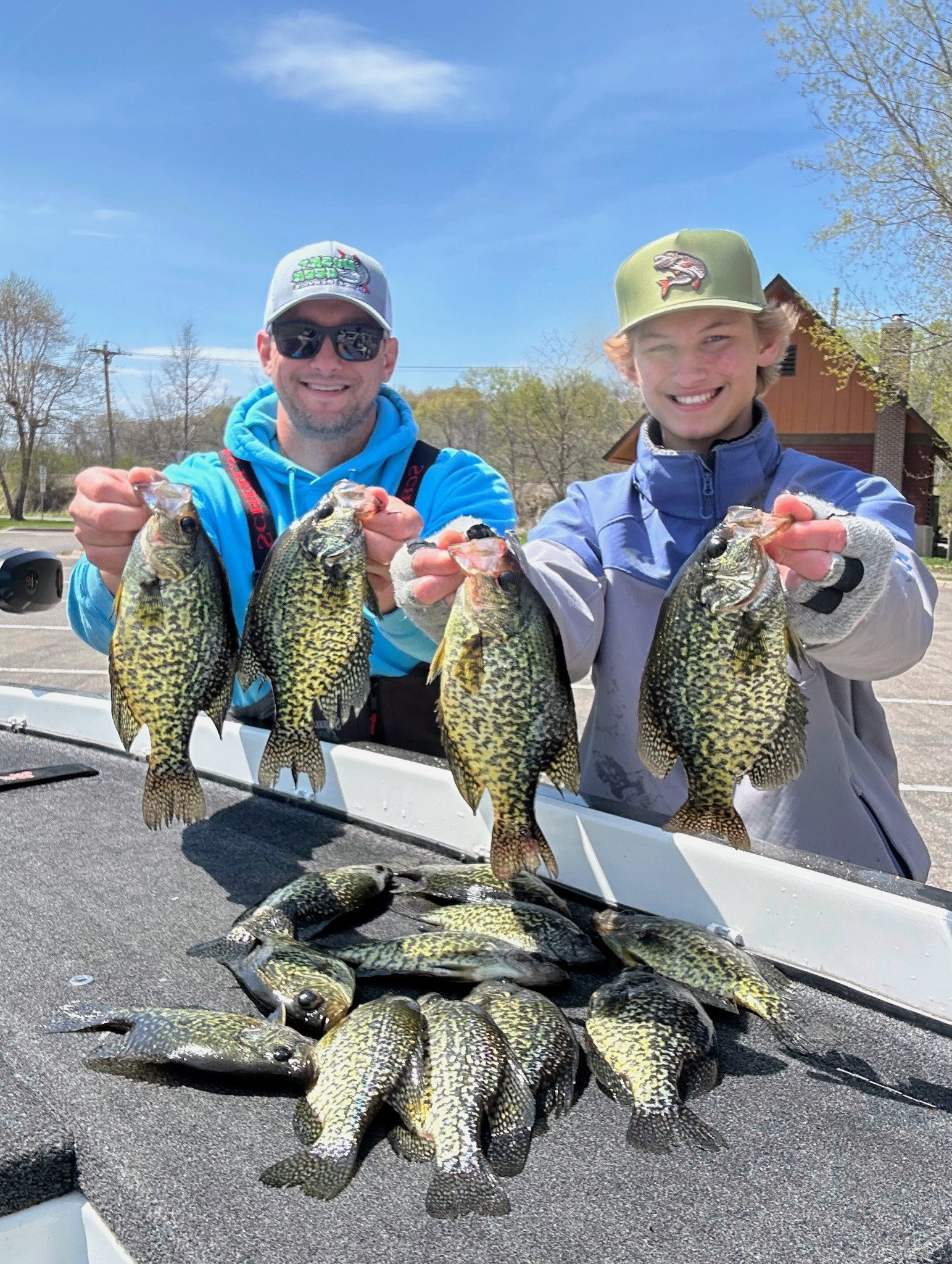
Spring crappie fishing is starting to heat up in the metro area, if we could get a week with normal tempuratures the bite wuld light on fire. The cold overnight lows cooled the water back down and really changes the bite from day to day. Water temps were at 53-55 degerees this weekend. Weed growth is looking really good in a lot of the spots I've fished, with weedlines out to about 12 feet. We have been getting a lot of our fish on the wind blown weed edges where the warmer water has been pushed, anywhere in the 8 to 12 foot range. We're catching them on everything from hair jigs, to 5mm tungsten ice jigs with a plastic. I'm expecting the bite to really get going soon! Walleye opener is May 9th, I'll be hitting my favorite metro spots looking for that metro gold. If you're looking to get in on a sweet crappie/walleye combo trip, don't wait, book it while you can!