-
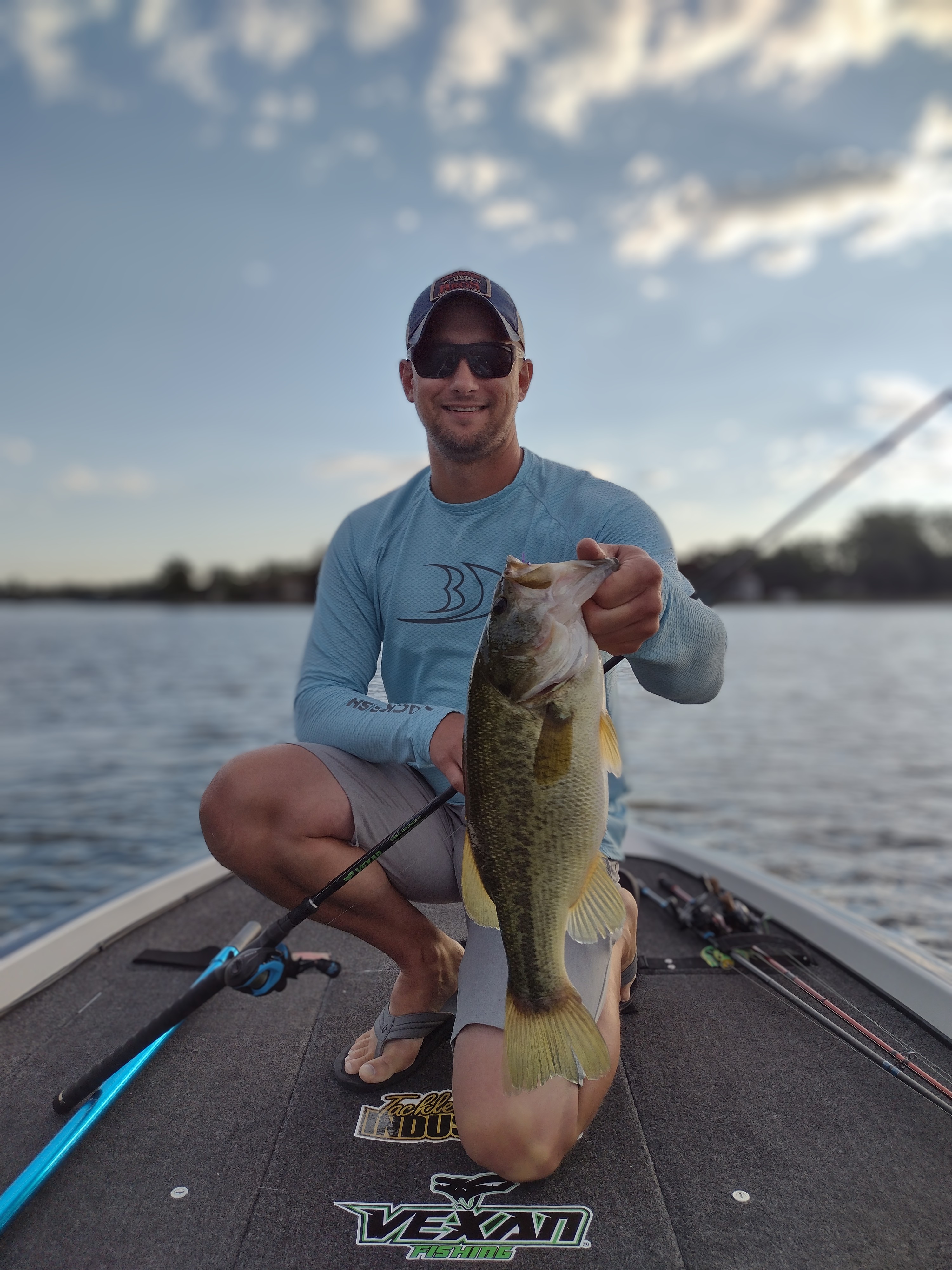
There are few things in fishing more exciting than watching a giant largemouth bass explode through a mat of lily pads to destroy a hollow body frog. During the hottest days of summer, when many anglers struggle to catch fish offshore, bass often bury themselves deep in shallow vegetation where they feel protected and comfortable.
Learning how to fish frogs around lily pads is one of the fastest ways to consistently catch trophy bass throughout July and August.
Whether you're fishing natural Minnesota lakes or southern reservoirs loaded with vegetation, these frog fishing techniques will help you catch more bass this summer.
Why Bass Love Lily Pads During Summer
- As water temperatures climb into the upper 70s and 80s, bass seek areas that provide:
- Shade from direct sunlight
- Cooler water temperatures
- Oxygen-rich vegetation
- Ambush points for bluegills and frogs
- Protection from predators
Lily pad fields provide all five. The stems create underwater highways while the leaves create overhead cover that makes bass feel secure even in less than three feet of water. Many anglers overlook these shallow areas during summer, assuming bass move deep. While some do, large numbers of quality fish remain buried in vegetation all season long.
The Best Time to Fish Frogs
While frog fishing works all day, the highest percentage windows include:
- Early Morning
- Bass actively patrol the edges of lily pads looking for frogs and baitfish.
- Overcast Days
- Cloud cover allows bass to roam farther beneath the pads and strike aggressively.
- Before Storms
- Falling barometric pressure often triggers explosive topwater feeding activity.
- Evening
As temperatures cool, bass move shallower and become increasingly aggressive. Don't ignore the middle of the day either. Some of the biggest bass you'll ever catch come from punching a frog into thick pad fields under bright sunshine.
Finding Productive Lily Pad Fields
Not all lily pads hold fish. Focus on areas with:
- Isolated clumps
- Points extending into deeper water
- Small openings
- Irregular edges
- Mixed vegetation
- Nearby submerged grass
The best lily pad fields usually have access to deeper water within a short distance. Bass use these transition routes throughout the day.
Choosing the Right Frog
A quality hollow body frog should have:
- Soft body for easy hook penetration
- Strong double hooks
- Weedless profile
- Good walking action
- Ability to skip beneath overhanging cover
Natural green, black, white, and leopard patterns consistently produce throughout summer. Match the forage and water clarity whenever possible.
How to Retrieve a Frog
Many anglers retrieve frogs too quickly.
Instead:
- Walk the Frog
- Pause.
- Walk.
- Pause again.
The side-to-side action imitates a real frog struggling across vegetation. Fish every opening, whenever your frog reaches an open pocket in the pads, pause the bait. Many strikes occur during the pause, don't set the hook immediately, the hardest lesson in frog fishing is waiting.
When a bass explodes on your frog:
- Feel the fish.
- Wait until the rod loads.
- Then drive the hooks home with authority.
- Swinging too soon often pulls the bait away from the fish.
Heavy Equipment Matters
Fishing frogs isn't finesse fishing, you're pulling big bass through thick vegetation.
That requires:
- Heavy braid (50–65 lb)
- High-speed baitcasting reel
- Heavy-power rod with a fast action
Light tackle simply won't get fish out of dense cover consistently.
My Favorite Frog Fishing Rod
A heavy-cover presentation demands a rod with plenty of backbone while still allowing accurate casts into tight openings.
Recommended Setup
Rod: Vexan 7'10 Extra Heavy Power Casting Rod
Its combination of sensitivity, power, and lightweight construction makes it ideal for:
- Hollow body frogs
- Heavy vegetation
- Lily pads
- Slop fishing
- Heavy braid
The rod loads well for long casts while providing enough backbone to drive double frog hooks through a bass's mouth and pull fish from thick cover.
Shop the Vexan Extra Heavy Power Frog Rod Here
Vexan Bass RodsBoat Position is Critical
Rather than driving directly into the pads, position your boat outside the vegetation.
Work:
- Outside edges
- Interior lanes
- Small holes
- Back corners
Stealth catches more fish. Bass buried in shallow cover spook easily from trolling motors pushed too aggressively.
Don't Quit After One Miss
Bass frequently miss frogs, if a fish blows up and misses, just pause quick and start working the bait again. If it still doesn't eat, pitch a soft plastic creature bait or Texas-rigged worm into the same hole. Many fish return immediately and finish the meal.
Summer Frog Fishing Tips
To maximize your success:
- Fish confidence water thoroughly
- Slow down in productive areas
- Cast beyond the target whenever possible
- Work every opening
- Keep your hooks razor sharp
- Replace worn frog skirts regularly
- Use quality braid
- Patience catches giant bass
Final Thoughts
Few techniques produce heart-pounding strikes like throwing frogs through thick lily pads. While many anglers abandon shallow water during the heat of summer, experienced bass fishermen know the biggest fish often stay hidden beneath dense vegetation waiting for an easy meal. The next time temperatures soar, tie on a frog, grab a heavy rod, and start dissecting those lily pad fields. Your biggest bass of the summer could be sitting only inches below the surface.
-
Best Musky Lures for Stained Water
Jul 1, 2026
High-visibility bait strategies that trigger more strikes when the water turns dirty. Stained and dirty water can feel like a disadvantage for musky anglers—but it’s actually one of the best times to put big fish in the net. Reduced visibility forces muskies to rely more on vibration, sound, and silhouette, which means the right lure selection becomes the entire game. This guide breaks down the best musky lures for stained water conditions and how to fish them effectively, plus how to match your presentation with the right rod power for maximum hookup efficiency.
Why Stained Water Actually Helps Musky Anglers
When water clarity drops from wind, runoff, or algae bloom, muskies don’t stop feeding—they just change how they hunt.
In stained water:
- Sight range is limited (often 1–3 feet)
- Muskies rely heavily on lateral line vibration
- Reaction strikes increase
Slow, subtle presentations often get outperformed by loud, aggressive ones
This is where oversized profile, heavy vibration, and displacement baits shine.
Top Musky Lures for Stained Water
1. Double Bladed Bucktails (High Vibration = High Success)
If you only bring one lure category into stained water, make it a double 8 or double 10 bucktail.
Why they work:
- Massive vibration trail
- Easy to track in dirty water
- Trigger reaction strikes from neutral fish
Best approach:
- Slow-rolled over weeds, rock edges, and shallow flats
- Burn-and-kill cadence to create flash + pause
Pro tip: Colorado blades move more water than willow blades—perfect for low visibility.
2. Oversized Crankbaits (Thump + Wobble = Distance Feeding Trigger)
In dirty water, muskies often strike based on vibration before they even see the bait.
Best traits:
- Wide wobble
- Loud internal rattles
- Bulky profile
- How to fish them:
- Bump structure edges
- Deflect off rock and timber
- Pause after contact to trigger reaction bites
3. Topwater Ploppers & Walkers (Low Light Stained Water Killer)
When stained water combines with wind or cloud cover, topwater becomes deadly.
Why it works:
- Surface disturbance creates long-distance attraction
- Sound carries farther than sight underwater
- Great for shallow weed flats and bays
- Best options:
- Prop baits for steady churn
- Walk-the-dog style baits for erratic movement
4. Soft Plastics on Heavy Heads (Subtle but Deadly)
Don’t overlook finesse in stained water—especially when fish are pressured.
Best setups:
- 8–12 inch paddletails
- Weighted swimbait heads
- Slow roll just above weed tops
- Why they work:
- Big silhouette
- Steady thump
- Easy target for following fish
5. Glide Baits (The “Slow Burn” Option)
When muskies follow but won’t commit, glide baits seal the deal.
Key advantage:
- Wide side-to-side movement
- Easy to pause in strike zone
- Triggers following fish into committing
- Best tactic:
- Long pauses in the strike zone
- Subtle twitches instead of aggressive snaps
Rod Selection Matters More in Stained Water
Dirty water fishing is all about control, hook penetration, and handling heavy reaction strikes. This is where premium musky rods make a major difference. If you’re throwing big bucktails, glide baits, or heavy cranks, you want a rod that can:
- Load properly on long casts
- Drive hooks home in heavy water resistance
- Control fish boatside when strikes are violent and close
That’s where rods from Tackle Industries stand out. Their musky rods are built for:
- Heavy-duty hooksets in low visibility conditions
- Long casting heavy baits like double 10s
- Maintaining backbone during close-range figure 8 encounters
Stained Water Presentation Strategy (What Actually Wins Fish)
Even the best lure won’t matter without the right cadence:
The 3 Rules of Dirty Water Musky Fishing
- Make noise or vibration first—visual second
- Fish slower than you think (but still aggressive cadence)
- Stay tight to structure edges where fish ambush
Best zones:
- Wind-blown shorelines
- Shallow weed edges (3–10 ft)
- Mudline transitions
- Timber pockets
👉 If you’re upgrading gear for stained water season, this is the rod category that directly increases hookup percentage—not just casting comfort. Tackle Industries Pro Rods is the only choice if you want to get a step above the rest!
-
When it comes to musky fishing, there are countless variables that affect success. Weather, water temperature, moon phase, forage location, and fishing pressure all play a role. However, one factor consistently separates anglers who occasionally catch muskies from those who regularly put fish in the net: understanding major and minor feeding windows. If you've ever had a day where nothing seemed to happen for hours and then suddenly multiple fish appeared within a short period, you've experienced a feeding window firsthand.
What Are Major and Minor Feeding Windows?
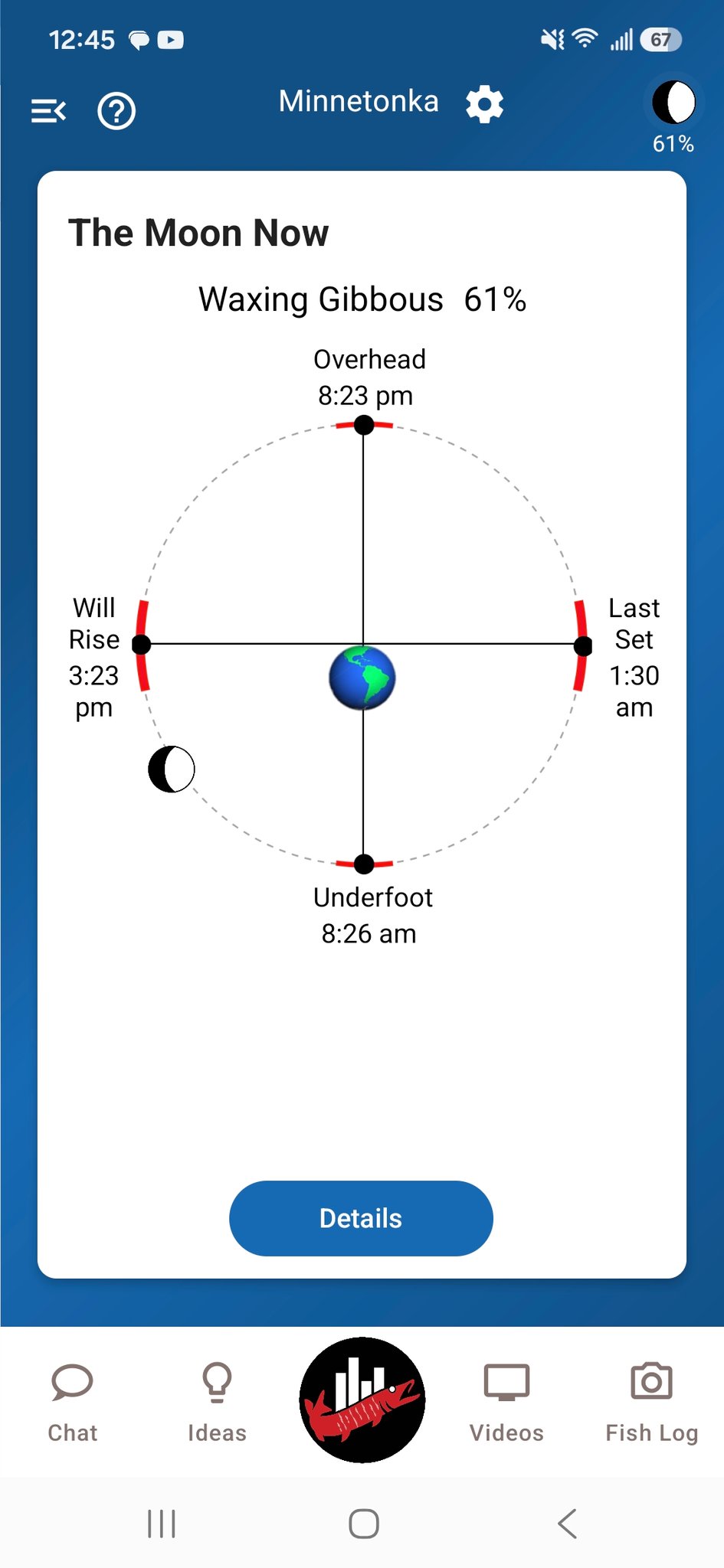
Major and minor feeding windows are periods of increased fish activity influenced primarily by moon position and gravitational forces. Major feeding periods occur when the moon is directly overhead or directly underfoot relative to your location. These windows typically last around two hours and often trigger the strongest feeding activity of the day. During a major feeding window, muskies frequently become more aggressive, move shallower, and are more willing to commit to a bait.
Minor feeding periods occur when the moon is rising or setting. These windows are generally shorter, lasting approximately one hour. While not typically as powerful as a major, minor windows can still produce trophy fish and often trigger follows, strikes, and increased activity.
Why Feeding Windows Matter
Muskies are famous for their unpredictability. Unlike many species that feed consistently throughout the day, muskies often feed in short bursts. You may fish an entire lake for several hours without seeing a fish, only to encounter multiple muskies in a 30-minute span. This isn't coincidence.
Feeding windows frequently act as triggers that cause muskies to move and feed, especially during difficult conditions such as:
- Post-frontal weather
- Bluebird skies
- High fishing pressure
- Extreme heat
- Cold fronts
- Midday periods
Many experienced musky anglers plan their entire day around being on their best spots during these windows.
Position Yourself for Success
One of the biggest mistakes musky anglers make is running around the lake during feeding windows. Instead of searching for fish when a window approaches, focus on fishing your highest-confidence locations.
Prime areas include:
- Weed edges
- Rock points
- Reef structures
- Saddle areas
- Deep weed lines
- Current-related structure
When a major or minor window arrives, you want your lure in front of active fish—not your boat running across the lake.
Windows Don't Guarantee Fish
A common misconception is that feeding windows guarantee action. They don't. Think of feeding windows as increasing the odds. If you're fishing poor locations, using ineffective presentations, or targeting inactive fish, a feeding window may not save the day. However, if you're already around muskies, feeding windows can be the trigger that converts follows into eats.
How Weather and Feeding Windows Work Together
The most productive musky days often occur when favorable weather aligns with a major feeding period.
Examples include:
- Incoming storms during a major
- Stable weather and cloud cover during a minor
- Wind shifts near moonrise
- Falling barometer during moon overhead
When multiple triggering factors stack together, musky activity can increase dramatically. These are often the days when multiple fish are contacted and trophy muskies hit the net.
The Guide's Advantage
As a Minnesota musky guide, I track major and minor feeding windows every day on the water.
While feeding windows are never the only factor I consider, they help determine:
- Which spots to fish
- When to slow down
- When to speed up presentations
- Where to position clients during peak activity periods
Many of our biggest fish each season are caught within minutes of a major or minor feeding period.
Book a Minnesota Musky Fishing Trip
Understanding feeding windows can dramatically improve your musky fishing success, but experience on specific lakes makes an even bigger difference. At Musky Geek Guide Service, I combine seasonal fish movements, weather conditions, lake-specific patterns, and major/minor feeding windows to maximize your opportunities at a trophy Minnesota musky.
Ready to learn how to consistently put yourself in front of active muskies?
Whether you're chasing your first musky or your next trophy fish, we'll help shorten the learning curve and put you on productive water.
-
In today's musky world, anglers are surrounded by giant rubber baits, flashy double-bladed bucktails, and glide baits with art-like paint jobs. While modern lures certainly catch fish, some of the most effective musky baits ever created are still made from wood and have been putting muskies in the net for decades. One lure that continues to earn a permanent spot in my boat is the classic Fudally Reef Hawg.
The History of the Reef Hawg
The Reef Hawg has been a musky fishing staple for generations. Originally handcrafted from wood, this lure developed a reputation for triggering follows and converting neutral fish into biters. Long before giant plastics dominated the musky scene, guides and serious anglers relied on Reef Hawgs to fool some of the biggest muskies swimming in Minnesota waters. Its simple design and paint schemes may not look impressive compared to today's oversized offerings, but that's exactly what makes it special. The Reef Hawg creates a unique hunting action that many modern baits simply cannot replicate.
Why Wood Baits Are Different
Wooden musky lures possess characteristics that plastic baits often lack. Wood naturally floats, responds differently to rod movements, and creates a subtle buoyancy that can trigger fish following behind the lure. When worked correctly, a Reef Hawg darts, glides, stalls, dives and rises naturally in the water column. These unpredictable movements often imitate a wounded baitfish better than perfectly balanced modern lures. Many experienced musky anglers believe fish that have seen thousands of bucktails and rubber baits react differently when presented with an old-school wooden lure, myself included.
When I Reach for a Reef Hawg
The Reef Hawg shines when muskies are following but refusing to commit. It excels around:
- Rock reefs
- Deep weed edges
- Isolated cabbage patches
- Mid-lake structure
- Suspended fish locations
The Perfect Rod for Working a Reef Hawg
While the bait itself gets much of the attention, rod selection plays a huge role in maximizing the Reef Hawg's action. For anglers looking to get the most out of this classic crankbait, the Tackle Industries 9' XH Musky Rod is an outstanding choice. But for me, I go with the Tackle Industires 9' 6" XH Pro Series Rod. As a taller guy, this rod fits me really well for all of my jerkbait fishing.
The longer length allows for:
- Longer casts to cover more water
- Better control of fish boatside
- Reduced angler fatigue
- Superior figure-eight performance
More importantly, the moderate power profile helps absorb the violent head shakes common when fishing treble-hook jerkbaits. The rod loads smoothly during the cast, launching the Reef Hawg with ease while still providing enough backbone to drive hooks home on a hard strike. When guiding clients in Minnesota, I want a rod that handles large jerkbaits comfortably all day without wearing anglers out. The 9' XH Tackle Industries rod checks all the boxes. I particularly like throwing a Reef Hawg during post-frontal conditions when muskies become less aggressive. The slower, more methodical presentation often convinces fish that ignore faster-moving baits. It's also an excellent option during the middle of summer when fish have seen constant pressure from popular bucktails and rubber presentations.
How to Fish a Reef Hawg
One of the biggest mistakes anglers make is fishing a Reef Hawg too fast. Instead, focus on making the bait hunt and glide. Mix in:
- Long pulls
- Short downward snaps
- Pauses
- Direction changes
- Figure-eight transitions
The beauty of the bait is that every retrieve can be slightly different. Sometimes the best strikes occur immediately after a pause when the lure begins to slowly rise. Pay close attention during your figure-eight as well. Reef Hawgs have an incredible ability to maintain action beside the boat and often trigger fish that have followed a long distance.
Why Vintage Musky Baits Still Matter
There is a reason old wooden baits continue to have a cult following among serious musky anglers. They catch fish. While trends come and go, muskies still react to unique actions, different sounds, and presentations they don't see every day. A vintage wooden bait like the Reef Hawg offers all three. Many anglers spend thousands of dollars chasing the newest musky lure on the market. Sometimes the answer is hanging in the garage tackle box that hasn't been opened in twenty years.
Final Thoughts
As a Minnesota musky guide, I always encourage anglers to keep an open mind. New baits have their place, but some old-school lures continue to earn their reputation season after season. The next time the musky bite gets tough, tie on a classic wood bait like the Reef Hawg. You may discover why generations of musky anglers trusted these lures long before social media trends and tackle-store hype existed. Sometimes the old ways are still the best ways. If you want to learn how, where and when to use these classic baits, book your trip now!
-
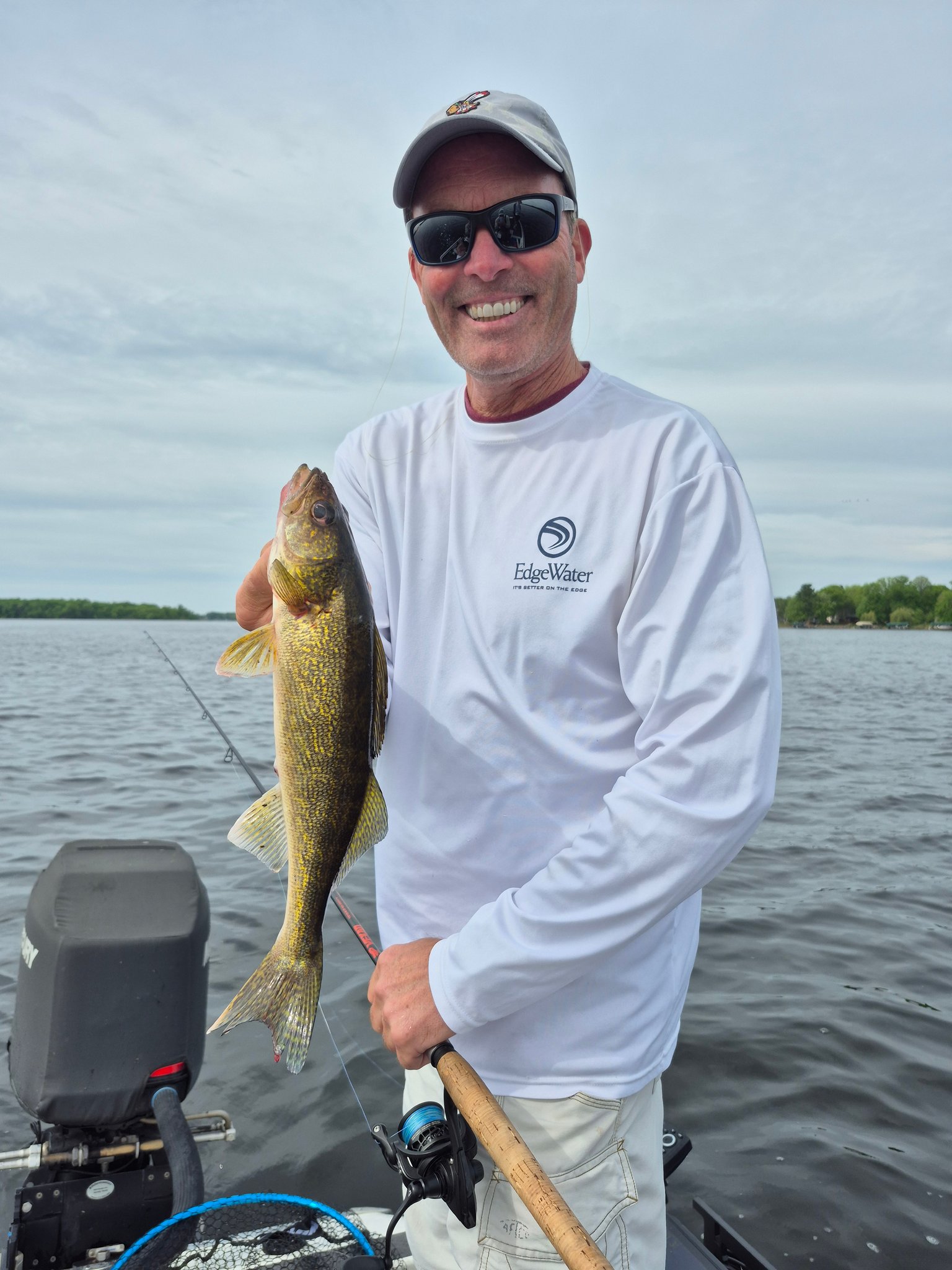
The metro walleye bite continues to improve as water temperatures climb into the low 70s. We are finding active fish relating to 10–12 feet of water on main lake flats, transition areas, and wind-blown shorelines.
Jigging Rap-style baits have been producing some of the most consistent action, allowing anglers to cover water quickly and trigger reaction strikes from aggressive fish. We have got some fish on slip bobbers and leeches too. Most walleyes are holding close to baitfish schools, and staying mobile has been key to putting together quality catches.
Early morning and evening periods have provided the best bite windows, although fish are remaining active throughout the day when wind creates favorable conditions. Expect this pattern to continue as walleyes transition into their early summer locations.
If you're heading out this week, focus on areas with healthy bait concentrations and don't be afraid to move until you locate active fish. The metro walleye season is shaping up to be an excellent one. If you want to get on the water with me, I have a few dates available but they won't last long.