-
When it comes to musky fishing, there are countless variables that affect success. Weather, water temperature, moon phase, forage location, and fishing pressure all play a role. However, one factor consistently separates anglers who occasionally catch muskies from those who regularly put fish in the net: understanding major and minor feeding windows. If you've ever had a day where nothing seemed to happen for hours and then suddenly multiple fish appeared within a short period, you've experienced a feeding window firsthand.
What Are Major and Minor Feeding Windows?
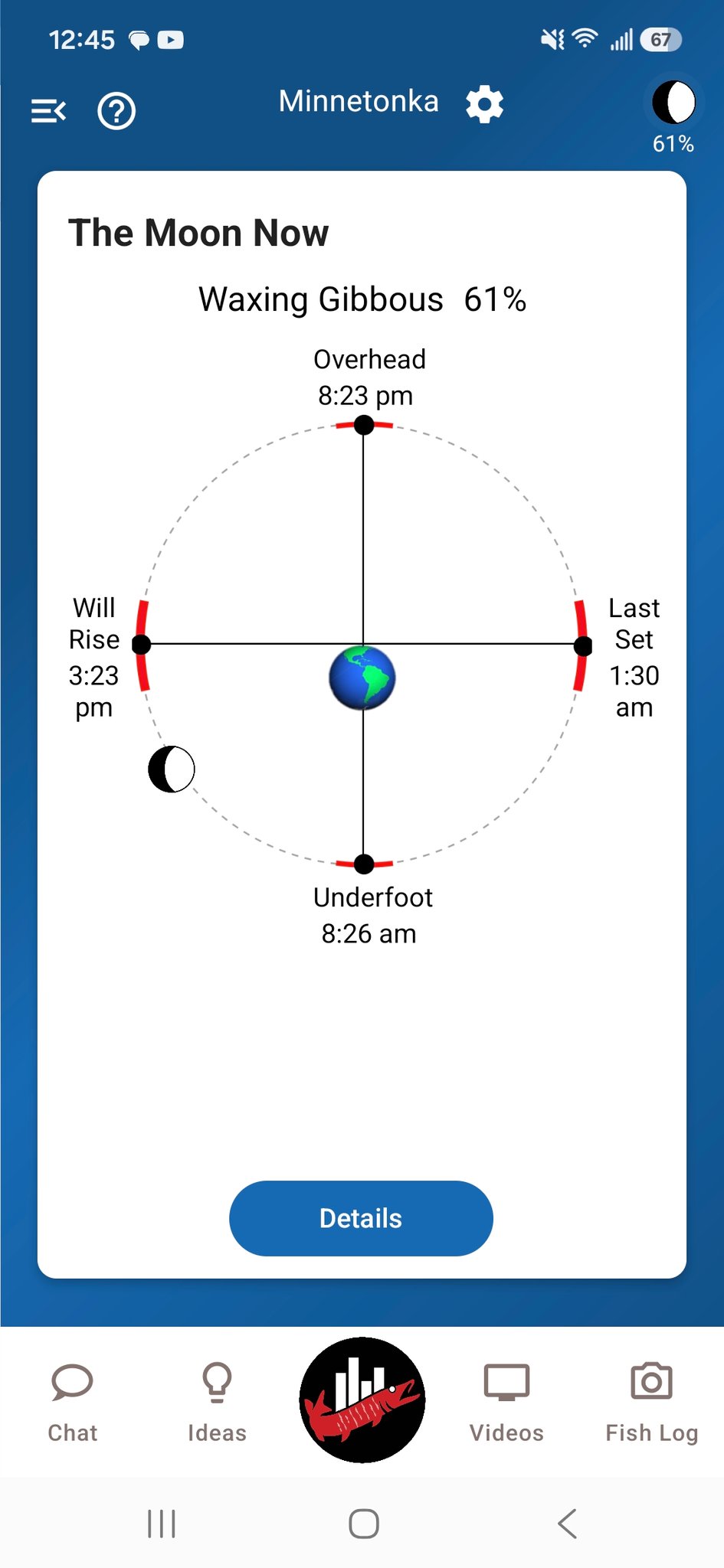
Major and minor feeding windows are periods of increased fish activity influenced primarily by moon position and gravitational forces. Major feeding periods occur when the moon is directly overhead or directly underfoot relative to your location. These windows typically last around two hours and often trigger the strongest feeding activity of the day. During a major feeding window, muskies frequently become more aggressive, move shallower, and are more willing to commit to a bait.
Minor feeding periods occur when the moon is rising or setting. These windows are generally shorter, lasting approximately one hour. While not typically as powerful as a major, minor windows can still produce trophy fish and often trigger follows, strikes, and increased activity.
Why Feeding Windows Matter
Muskies are famous for their unpredictability. Unlike many species that feed consistently throughout the day, muskies often feed in short bursts. You may fish an entire lake for several hours without seeing a fish, only to encounter multiple muskies in a 30-minute span. This isn't coincidence.
Feeding windows frequently act as triggers that cause muskies to move and feed, especially during difficult conditions such as:
- Post-frontal weather
- Bluebird skies
- High fishing pressure
- Extreme heat
- Cold fronts
- Midday periods
Many experienced musky anglers plan their entire day around being on their best spots during these windows.
Position Yourself for Success
One of the biggest mistakes musky anglers make is running around the lake during feeding windows. Instead of searching for fish when a window approaches, focus on fishing your highest-confidence locations.
Prime areas include:
- Weed edges
- Rock points
- Reef structures
- Saddle areas
- Deep weed lines
- Current-related structure
When a major or minor window arrives, you want your lure in front of active fish—not your boat running across the lake.
Windows Don't Guarantee Fish
A common misconception is that feeding windows guarantee action. They don't. Think of feeding windows as increasing the odds. If you're fishing poor locations, using ineffective presentations, or targeting inactive fish, a feeding window may not save the day. However, if you're already around muskies, feeding windows can be the trigger that converts follows into eats.
How Weather and Feeding Windows Work Together
The most productive musky days often occur when favorable weather aligns with a major feeding period.
Examples include:
- Incoming storms during a major
- Stable weather and cloud cover during a minor
- Wind shifts near moonrise
- Falling barometer during moon overhead
When multiple triggering factors stack together, musky activity can increase dramatically. These are often the days when multiple fish are contacted and trophy muskies hit the net.
The Guide's Advantage
As a Minnesota musky guide, I track major and minor feeding windows every day on the water.
While feeding windows are never the only factor I consider, they help determine:
- Which spots to fish
- When to slow down
- When to speed up presentations
- Where to position clients during peak activity periods
Many of our biggest fish each season are caught within minutes of a major or minor feeding period.
Book a Minnesota Musky Fishing Trip
Understanding feeding windows can dramatically improve your musky fishing success, but experience on specific lakes makes an even bigger difference. At Musky Geek Guide Service, I combine seasonal fish movements, weather conditions, lake-specific patterns, and major/minor feeding windows to maximize your opportunities at a trophy Minnesota musky.
Ready to learn how to consistently put yourself in front of active muskies?
Whether you're chasing your first musky or your next trophy fish, we'll help shorten the learning curve and put you on productive water.
-
In today's musky world, anglers are surrounded by giant rubber baits, flashy double-bladed bucktails, and glide baits with art-like paint jobs. While modern lures certainly catch fish, some of the most effective musky baits ever created are still made from wood and have been putting muskies in the net for decades. One lure that continues to earn a permanent spot in my boat is the classic Fudally Reef Hawg.
The History of the Reef Hawg
The Reef Hawg has been a musky fishing staple for generations. Originally handcrafted from wood, this lure developed a reputation for triggering follows and converting neutral fish into biters. Long before giant plastics dominated the musky scene, guides and serious anglers relied on Reef Hawgs to fool some of the biggest muskies swimming in Minnesota waters. Its simple design and paint schemes may not look impressive compared to today's oversized offerings, but that's exactly what makes it special. The Reef Hawg creates a unique hunting action that many modern baits simply cannot replicate.
Why Wood Baits Are Different
Wooden musky lures possess characteristics that plastic baits often lack. Wood naturally floats, responds differently to rod movements, and creates a subtle buoyancy that can trigger fish following behind the lure. When worked correctly, a Reef Hawg darts, glides, stalls, dives and rises naturally in the water column. These unpredictable movements often imitate a wounded baitfish better than perfectly balanced modern lures. Many experienced musky anglers believe fish that have seen thousands of bucktails and rubber baits react differently when presented with an old-school wooden lure, myself included.
When I Reach for a Reef Hawg
The Reef Hawg shines when muskies are following but refusing to commit. It excels around:
- Rock reefs
- Deep weed edges
- Isolated cabbage patches
- Mid-lake structure
- Suspended fish locations
The Perfect Rod for Working a Reef Hawg
While the bait itself gets much of the attention, rod selection plays a huge role in maximizing the Reef Hawg's action. For anglers looking to get the most out of this classic crankbait, the Tackle Industries 9' XH Musky Rod is an outstanding choice. But for me, I go with the Tackle Industires 9' 6" XH Pro Series Rod. As a taller guy, this rod fits me really well for all of my jerkbait fishing.
The longer length allows for:
- Longer casts to cover more water
- Better control of fish boatside
- Reduced angler fatigue
- Superior figure-eight performance
More importantly, the moderate power profile helps absorb the violent head shakes common when fishing treble-hook jerkbaits. The rod loads smoothly during the cast, launching the Reef Hawg with ease while still providing enough backbone to drive hooks home on a hard strike. When guiding clients in Minnesota, I want a rod that handles large jerkbaits comfortably all day without wearing anglers out. The 9' XH Tackle Industries rod checks all the boxes. I particularly like throwing a Reef Hawg during post-frontal conditions when muskies become less aggressive. The slower, more methodical presentation often convinces fish that ignore faster-moving baits. It's also an excellent option during the middle of summer when fish have seen constant pressure from popular bucktails and rubber presentations.
How to Fish a Reef Hawg
One of the biggest mistakes anglers make is fishing a Reef Hawg too fast. Instead, focus on making the bait hunt and glide. Mix in:
- Long pulls
- Short downward snaps
- Pauses
- Direction changes
- Figure-eight transitions
The beauty of the bait is that every retrieve can be slightly different. Sometimes the best strikes occur immediately after a pause when the lure begins to slowly rise. Pay close attention during your figure-eight as well. Reef Hawgs have an incredible ability to maintain action beside the boat and often trigger fish that have followed a long distance.
Why Vintage Musky Baits Still Matter
There is a reason old wooden baits continue to have a cult following among serious musky anglers. They catch fish. While trends come and go, muskies still react to unique actions, different sounds, and presentations they don't see every day. A vintage wooden bait like the Reef Hawg offers all three. Many anglers spend thousands of dollars chasing the newest musky lure on the market. Sometimes the answer is hanging in the garage tackle box that hasn't been opened in twenty years.
Final Thoughts
As a Minnesota musky guide, I always encourage anglers to keep an open mind. New baits have their place, but some old-school lures continue to earn their reputation season after season. The next time the musky bite gets tough, tie on a classic wood bait like the Reef Hawg. You may discover why generations of musky anglers trusted these lures long before social media trends and tackle-store hype existed. Sometimes the old ways are still the best ways. If you want to learn how, where and when to use these classic baits, book your trip now!
-
The Benefits of a Short Musky Leader (And Why Many Guides Prefer Them)
When it comes to musky fishing, leader choice is often overlooked or treated as an afterthought. Most anglers focus on rod power, reel size, and lure selection—but leader length can have a major impact on lure performance, hook-up ratios, and boatside success. In recent years, many experienced musky anglers and guides have shifted toward using shorter musky leaders, and for good reason.
This article breaks down the benefits of a short musky leader, when it excels, and why it has become a preferred setup for many serious musky fishermen.
What Is Considered a Short Musky Leader?
In musky fishing, a short leader typically measures 6 to 9 inches from snap to line tie. This is shorter than traditional leaders that often range from 12 to 18 inches or longer.
Short leaders are most commonly used with:
- Bucktails
- Spinnerbaits
- Topwater lures
- Glide baits
- Shallow-running crankbaits
While not ideal for every situation, short leaders offer several performance advantages that become obvious once you fish them consistently.
Improved Lure Action and Balance
One of the biggest benefits of a short musky leader is better lure action. Long, heavy leaders can dampen movement—especially with smaller bucktails, gliders, and topwaters.
Short leaders:
- Allow bucktails to spin more freely
- Improve side-to-side action on glide baits
- Prevent nose-heavy balance issues
- Reduce drag on topwater lures
When a lure moves more naturally, it triggers more reaction strikes—especially from pressured or neutral fish.
Better Boatside Control and Figure-8 Performance
Boatside success is critical in musky fishing, and leader length plays a bigger role than most anglers realize.
Short musky leaders offer:
- Cleaner turns during figure-8s, especially with bucktails
- More precise depth control
- Less “hinge effect” between lure and main line
- Improved responsiveness when accelerating through turns
Many guides prefer short leaders specifically because they allow tighter, smoother boatside maneuvers—where a high percentage of musky strikes occur.
Increased Sensitivity and Hook-Setting Efficiency
Short leaders reduce slack and flex between your main line and the lure. This creates a more direct connection that improves both sensitivity and hook-setting power.
Benefits include:
- Better feel on blades and vibration baits
- Faster hook penetration on strikes
- Less energy lost during hooksets
This is especially noticeable when fishing bucktails at speed or working gliders with rod input.
Reduced Fouling and Line Wrap Issues
Long leaders are more prone to:
- Wrapping around split rings
- Catching hooks on turns
- Kinking during aggressive retrieves
Short leaders minimize these issues, leading to fewer fouled casts and more time with a bait running correctly—something guides value when efficiency matters.
Stealth and Visibility Advantages
In clear water or heavily pressured fisheries, less hardware can be a good thing.
Short leaders:
- Reduce visible wire or fluorocarbon
- Keep snaps farther from the bait’s body
- Present a cleaner profile to following fish
While muskies are not leader-shy in the traditional sense, small presentation refinements can matter—especially on lakes with high angling pressure.
When a Short Musky Leader Is Not the Best Choice
Despite their advantages, short leaders aren’t perfect for every application.
Longer leaders are still preferred when:
- Fishing large rubber baits
- Working deep-diving crankbaits
- Targeting fish that frequently roll on the bait
- Using leaders as abrasion protection against rocks
Most experienced anglers carry both short and long leaders and switch based on lure type and conditions.
Why Many Musky Guides Favor Short Leaders
Musky guides prioritize consistency, efficiency, and boatside conversions. Short leaders support all three.
From a guide’s perspective, short leaders:
- Improve lure performance across common baits
- Increase figure-8 success
- Reduce gear-related issues during trips
- Help clients feel and react to strikes more effectively
When every follow matters, small setup advantages add up quickly.
Final Thoughts on Short Musky Leaders
A short musky leader isn’t a gimmick—it’s a refined tool that enhances lure action, improves boatside control, and increases efficiency on the water. While longer leaders still have their place, many anglers are surprised at how much confidence and control short leaders provide once they commit to using them.
If you’re looking to fine-tune your musky fishing setup and convert more follows into strikes, experimenting with shorter leaders is a smart place to start.🎣
-
Best Musky Lures to Tune, Repair, and Stockpile in the Offseason: Minnesota Guide Tips
Winter in Minnesota isn’t downtime for serious musky anglers—it’s preparation season. While the lakes are locked up, experienced musky guides are in the garage tuning baits, replacing hardware, and stockpiling the lures they know will produce once the opener arrives.
Off-season lure prep isn’t just about saving money. It’s about confidence, efficiency, and being ready when the bite window opens. We work to hard for these fish, there is no room for error when the moment of truth comes. This guide breaks down the best musky lures to tune, repair, and stockpile during the off-season, with a focus on what consistently produces on Minnesota waters.
Why Off-season Lure Prep Matters in Minnesota
Minnesota musky seasons are short, and early opportunities can be some of the best of the year. When opener arrives, there’s no time for:
- Bent wire frames
- Dull hooks
- Rusted split rings
- Lures that don’t track correctly
Guides rely on off-season prep to ensure every bait in the box is ready to fish—and ready to convert.
Bucktails: The #1 Offseason Priority
Bucktails take more abuse than almost any other musky lure. They get burned, ripped, crashed into cover, and eaten boatside.
What to Tune & Repair:
- Replace split rings and swivels
- Sharpen or replace treble hooks
- Check blade alignment and spin
What to Stockpile:
- Favorite double-bladed bucktails in proven colors
- Smaller-profile bucktails for pressured lakes
- High-speed models for summer and early fall
Bucktails are workhorses on Minnesota lakes, and having multiples of confidence baits saves time and stress during the season.
Topwater Lures: Easy Winter Wins
Topwaters are perfect off-season projects because small adjustments make big differences.
What to Tune & Repair:
- Replace factory hooks with sharper trebles
- Upgrade split rings
- Adjust tail blades for better plop or squeak
- Check buoyancy after hardware changes
What to Stockpile:
- Creepers for calm conditions
- Prop-style baits for summer evenings
- Proven colors that show well in low light
Few things are worse than losing a topwater fish due to bad hooks—winter prep prevents that.
Crankbaits: Inspect Before You Trust Them
Crankbaits take abuse from rocks, wood, and fish. Off-season inspection prevents mid-season failures.
What to Tune & Repair:
- Check bills for cracks
- Test running depth and tracking
- Replace rusty hooks and split rings
What to Stockpile:
- Shallow to mid-depth cranks for spring
- Proven fall trolling baits
- Duplicates of confidence producers
A crankbait that blows out at boatside costs fish—winter testing eliminates surprises.
Rubber Baits: Replace, Don’t Repair
Soft plastics don’t tune well, but off-season is still the time to get organized.
What to Prep:
- Replace torn or overstretched plastics
- Organize by weight and size
What to Stockpile:
- Mid-size rubber for summer
- Larger profiles for fall
- Neutral colors that work across conditions
If you need new rubber baits, order some Tackle Industries Super D with my discount, muskygeek15.
Terminal Tackle: The Forgotten Offseason Essential
Hooks and hardware are the most common failure points in musky fishing.
Winter is the time to:
- Sharpen or replace all hooks
- Standardize split ring sizes
- Build and label leaders
- Retire questionable hardware
As a guide, One of the most important things I do is rebuild entire lure boxes during the winter so nothing fails during peak season.
Final Thoughts: Winter Prep Equals Season Success
The best musky seasons start in winter. Tuning, repairing, and stockpiling the right lures means less second-guessing and more time fishing effectively when Minnesota’s musky season opens.
Whether you fish weekends or guide daily, off-season lure prep puts you ahead of the curve—and closer to your next fish of a lifetime.
-
Winter Blues: Off Season Maintenance and Prep
Jan 23, 2026
Winter Musky Fishing Gear Maintenance and Prep
Winter in Minnesota may shut down open-water musky fishing, but it’s one of the most important seasons for serious anglers. The long offseason is the perfect time to maintain, upgrade, and prepare musky fishing gear so everything performs flawlessly when the season opens. Anglers who take winter gear prep seriously consistently start the year ahead of the curve.
This guide covers essential musky fishing gear maintenance tips for the Minnesota off-season—helping you protect your investment, avoid mid-season failures, and be fully prepared for opening day.
Why Winter Gear Prep Matters for Musky Anglers
Musky fishing gear takes abuse. Heavy lures, powerful fish, and long days on the water put extreme stress on rods, reels, line, and terminal tackle. Ignoring maintenance until spring often leads to lost fish, broken gear, and wasted time during peak season.
Minnesota’s winter months provide the ideal opportunity to:
- Inspect gear thoroughly
- Make repairs or upgrades
- Organize tackle efficiently
- Prepare mentally and strategically for the upcoming season
For guided trips, proper gear prep is non-negotiable—but recreational anglers benefit just as much.
Reel Maintenance for Musky Fishing
Musky reels endure heavy loads and constant torque. Winter is the best time to service them properly.
Key reel maintenance steps include:
- Cleaning dirt and debris from frames and components
- Inspecting gears for wear or grinding
- Lubricating bearings and moving parts
- Checking drag systems for smooth operation
Anglers uncomfortable with full reel tear-downs should at least clean and oil external components—or send reels to a professional service before spring demand spikes.
Rod Inspection and Care
Musky rods often suffer damage that goes unnoticed during the season. Winter inspection helps prevent unexpected failures.
Check rods for:
- Cracked or loose guides
- Frayed guide inserts
- Handle wear or reel seat issues
- Blank damage near ferrules or stress points
Even small guide imperfections can weaken line and cost fish. Addressing these issues during the off-season ensures confidence on the water. If you're in need of a new rod, check out the full line of rods at Tackle Industries and use my discount code muskygeek15 for a discount!
Line Replacement and Leader Prep
Fishing line degrades over time, especially after a long season of casting heavy baits. Winter is the ideal time to re-spool reels and prepare leaders.
Best practices include:
- Replacing braided line annually or as needed
- Inspecting backing and knots
- Building or replacing leaders with fresh components
- Organizing leaders by length, strength, and lure type
Starting the season with fresh line and dependable leaders eliminates preventable failures during critical moments.
Musky Lure Maintenance and Organization
Minnesota winters are perfect for tackling lure maintenance projects that get ignored during the season.
Offseason lure prep should include:
- Sharpening or replacing hooks
- Replacing split rings
- Repairing soft plastics
- Touching up chipped paint or skirts
This is also a great time to organize tackle boxes by lure category or season, making on-the-water decisions faster and more efficient.
Boat and Electronics Prep
While boats may be winterized, anglers can still prepare accessories and electronics.
Consider:
- Updating mapping and sonar software
- Inspecting transducer mounts
- Checking batteries and chargers
- Organizing safety gear and storage
For guided operations, winter prep ensures a smooth, professional experience from the first trip of the season.
Mental Prep and Strategy Planning
Winter isn’t just about physical gear—it’s also the best time to review notes, study lake maps, and reflect on past seasons.
Productive off-season habits include:
- Reviewing successful spots and patterns
- Identifying areas to explore next season
- Studying seasonal transitions and forage movements
Many musky guides use winter to refine strategies so clients benefit immediately once the season opens.
Final Thoughts on Winter Musky Gear Prep
Musky fishing success starts long before the first cast of the season. Taking advantage of Minnesota’s winter off-season to maintain and prepare gear leads to fewer problems, more confidence, and better results when it matters most.
Whether you fish a handful of days each year or chase muskies obsessively, winter gear prep is one of the smartest investments you can make in your success—and one that pays dividends all season long.