-
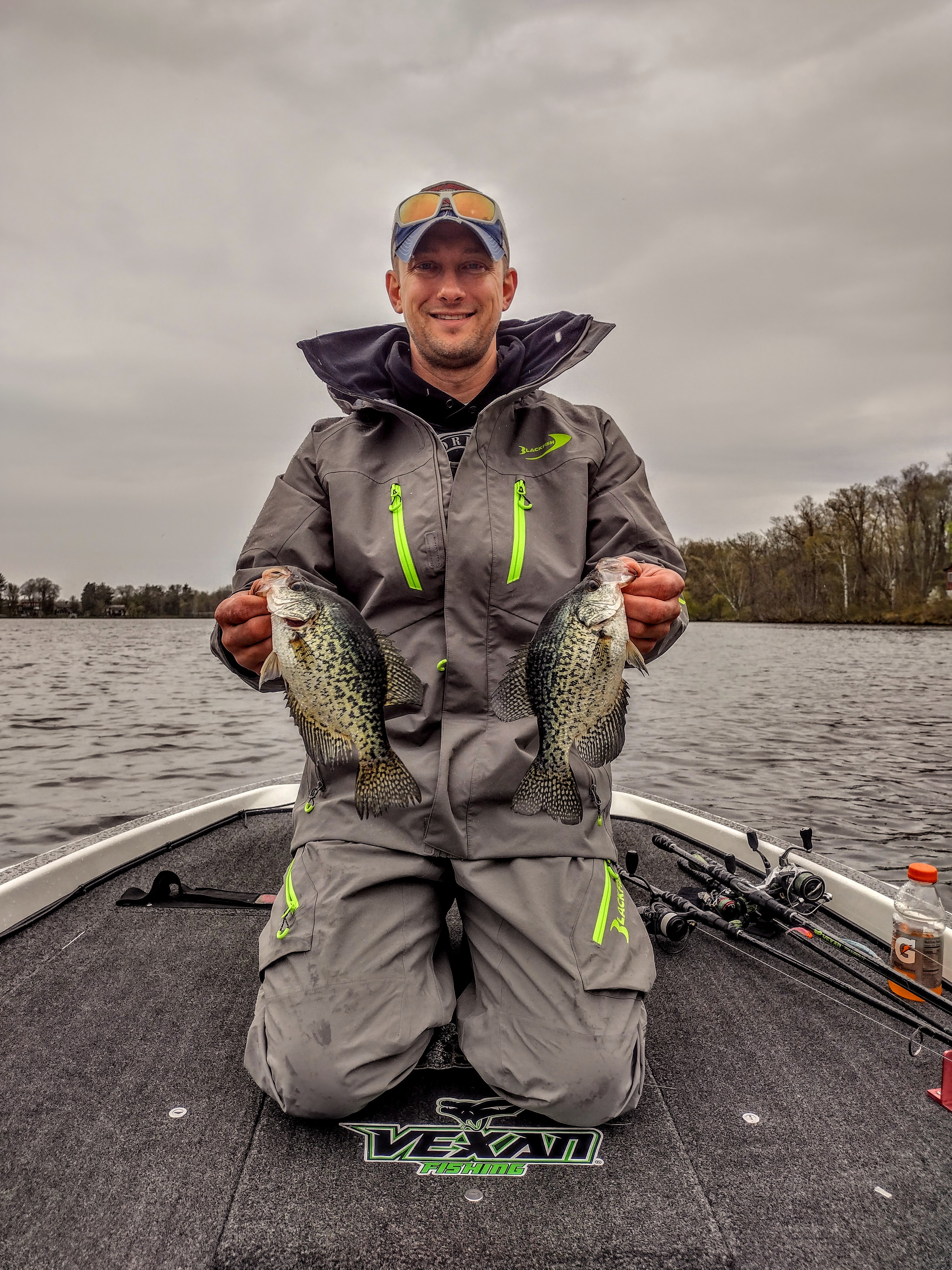
When Spring Crappies Move Shallow in Minnesota: How to Catch Them Consistently
Spring is one of the most exciting times of the year to chase crappies in Minnesota. As soon as the ice is gone and water temperatures start to climb, crappies make predictable moves into shallow water — and if you understand why and where they go, you can have some of the best fishing of the entire season. Whether you’re fishing a small metro lake or a big northern basin, spring crappie behavior follows a few key patterns. Here’s how to take advantage of that shallow-water bite.
Why Crappies Move Shallow in Spring
Crappies are cold-blooded, which means their movements are driven by water temperature. After a long winter suspended in deeper basins, they slide shallow for two main reasons:
- Warmer water: Shallow areas warm first, especially on sunny days.
- Spawning preparation: As water temps approach the upper 50s and low 60s, crappies stage near spawning areas.
In Minnesota, this typically begins shortly after ice-out and can last several weeks, depending on weather patterns and the type of lake.
The Best Shallow Areas to Target
Not all shallow water is equal. The key is finding areas that warm quickly and provide cover.
1. Dark-Bottom Bays
Bays with dark, muddy bottoms absorb heat faster than sandy or rocky areas. These spots can be several degrees warmer than the main lake and are often the first places crappies show up.
2. Emerging Weeds and Reeds
Look for:
- New cabbage growth
- Pencil reeds
- Bulrushes
Even sparse vegetation can hold crappies in early spring. These areas provide cover and attract insects and minnows.
3. Wind-Blown Shorelines
A light wind pushing into a shallow bay helps warm the water and concentrates food. Don’t avoid the wind — use it.
4. Wood and Man-Made Structure
Fallen trees, docks, beaver houses, and brush piles can all hold crappies when they move shallow. In clear lakes, these pieces of cover are especially important.
How Shallow Is “Shallow”?
In spring, crappies can be shockingly shallow. It’s common to catch fish in:
- 1–3 feet on warm afternoons
- 4–8 feet during cooler mornings or cloudy days
If you’re not catching fish, don’t automatically go deeper. Many anglers fish over the crappies in spring without realizing it.
Best Presentations for Spring Crappies
Spring crappies are usually willing biters, but subtle presentations still catch the biggest fish.
1. Slip Bobber and Jig
This is the go-to setup for shallow crappies.
Jig size: 1/32 to 1/16 oz
Colors: Black/chartreuse, white, pink, or natural minnows
Bait: Soft plastics or a crappie minnow
Set your bobber stop so the jig rides just above the fish. In cold water, less movement is more.
Casting and Swimming Jigs
On warmer days, casting a small jig and slowly swimming it back can be deadly. This works especially well along reed lines and shallow weed edges.
Boat Control Matters More Than Tackle
In shallow water, crappies spook easily. Keep these tips in mind:
- Use your trolling motor sparingly
- Avoid banging around in the boat
- Make longer casts when possible
- Anchor or spot-lock outside the fish and cast in
Many spring days are calm, and noise travels far in shallow water.
Timing: When to Go for the Best Bite
Spring crappies often feed best during:
- Late morning through afternoon
- Sunny days following cold nights
- Stable weather patterns
Cold fronts can push fish slightly deeper, but they usually don’t leave the area entirely.
A Minnesota Spring Tradition Worth Doing Right
Spring crappie fishing doesn’t last forever. Once fish move onto beds and pressure increases, the bite changes quickly. That early shallow-water window is special — and when you hit it right, it can produce fast action and some of the biggest crappies of the year.
If you want to shorten the learning curve and make the most of Minnesota’s spring crappie bite, fishing with a local guide can make all the difference. Understanding seasonal movements, lake-specific patterns, and daily conditions is what turns a good day into a great one.
Ready to chase spring crappies? Contact me to book a guided trip and experience Minnesota’s shallow-water crappie fishing at its best.