-
Best Spring Crappie Fishing Techniques
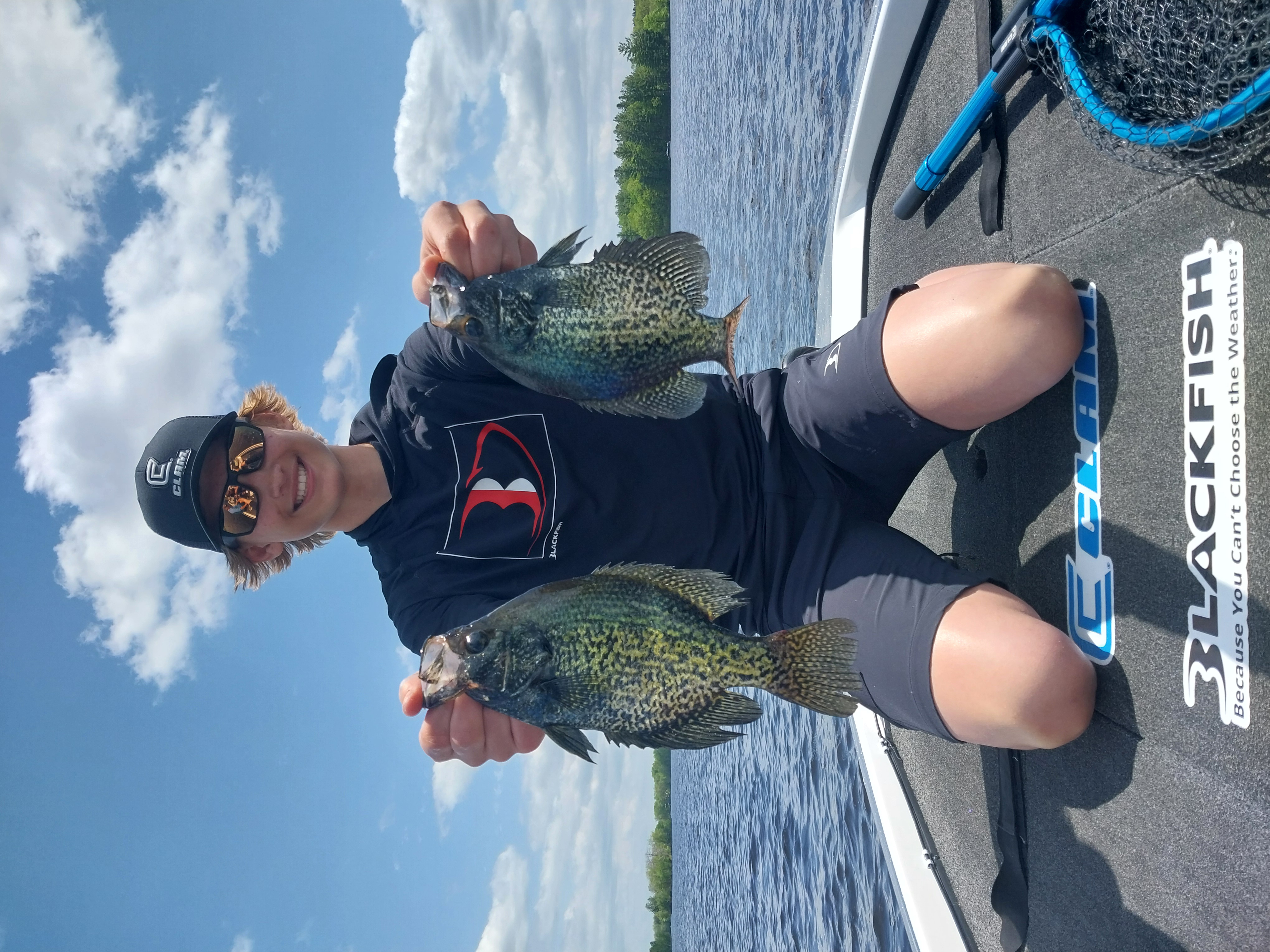
Spring is one of the most productive times of year to catch crappie, and it’s also when anglers of all skill levels have the best chance at landing trophy slabs. As water temperatures rise, crappie move from deep winter patterns into predictable spring locations. Understanding these movements — and using the right techniques — is the key to consistent success.
Follow the Water Temperature
In early spring, crappie begin transitioning when water temperatures reach the mid-40s to low-50s. During this phase, they stage along creek channels, submerged brush piles, and drop-offs near shallow flats. As temperatures climb into the upper 50s and low 60s, crappie push shallow to spawn, often in 2–6 feet of water.
Jig Fishing: The Spring Staple
Jig fishing is one of the most effective spring crappie techniques. Small jigs (1/16 to 1/8 oz) paired with soft plastics or marabou skirts work extremely well. Natural colors like white, chartreuse, black, and combinations of these are reliable producers.
Slow presentations are critical in early spring when crappie are still sluggish. As the season progresses and fish move shallower, a more aggressive retrieve can trigger reaction strikes.
Minnows Still Matter
Live minnows remain a go-to option for spring crappie fishing, especially during cold fronts or high-pressure conditions. Rig minnows under a slip bobber to keep your bait at a precise depth near spawning cover like flooded timber, docks, or shoreline brush.
This technique is highly effective for beginners and a favorite among guided trips because it consistently puts fish in the boat.
Target Key Spring Structure
In spring, crappie relate heavily to cover. Focus on:
- Brush piles and submerged timber
- Boat docks and marina areas
- Shoreline laydowns and flooded bushes
- Creek mouths and secondary points
Electronics can help locate staging fish, but visual cover becomes more important as crappie move shallow.
Timing Is Everything
The best spring crappie fishing often happens during stable weather patterns. Warming trends, light winds, and overcast skies can produce excellent action. Cold fronts may push fish slightly deeper, but they rarely move far from spawning areas.
Fish with a Professional Guide
Spring crappie patterns change quickly, and local knowledge can make all the difference. Fishing with an experienced guide helps you stay on active fish, learn proven techniques, and maximize your time on the water.
If you’re ready to experience some of the best spring crappie fishing of the year, book a guided trip and let me put you on fish.
-
Why Spring Is the Most Predictable Crappie Bite in Minnesota
Ask any Minnesota angler to name the most reliable crappie bite of the year, and chances are they’ll say spring without hesitation. While summer patterns scatter fish and fall transitions can be short-lived, spring crappies follow a script that’s about as predictable as fishing gets in the Land of 10,000 Lakes.
Here’s why spring consistently delivers the most dependable crappie action in Minnesota—and why it’s the season anglers plan vacations around.
Crappies Go Shallow for a Reason
Spring is all about spawning, and spawning means shallow water. As ice leaves the lakes and water temperatures climb into the mid-40s and 50s, crappies slide out of winter basins and begin staging near classic shallow-water structure. Reeds, bulrushes, pencil reeds, docks, fallen trees, and north-facing bays all become prime real estate. Unlike summer, when crappies can suspend anywhere and roam constantly, spring fish are tied to very specific areas. They’re there to feed, warm up, and eventually spawn—and that keeps them grouped up and easy to locate.
Water Temperature Narrows the Pattern
Spring crappies aren’t guessing. Once water temps reach key ranges, their behavior becomes remarkably consistent:
- Mid-40s: Fish stage just outside spawning areas
- Upper-40s to low-50s: Crappies push shallow and feed aggressively
- Mid-50s and up: Spawning begins!
Because these temperature windows are predictable year after year, anglers can follow the progression lake by lake. When you find the right water temp, you find the fish—it’s that simple.
Less Water, More Fish
One of the biggest reasons spring fishing feels so automatic is geography. In winter, crappies can be anywhere in the basin. In summer, they can suspend over deep water or spread across massive weed flats. But in spring, the “fishable” water shrinks dramatically. Instead of thousands of acres, you’re often targeting a handful of bays or shoreline stretches. That concentration turns average anglers into successful ones and good anglers into fish-catching machines.
Slower Presentations Match Cold-Water Moods
Spring crappies are comfortable with slow, finesse presentations, which keeps the bite consistent throughout the day. Small jigs, plastics, and live bait under a float work because fish don’t need to chase far. They’re willing to eat—but they want it easy. That willingness leads to fewer “mystery days” where nothing works. If you’re putting a bait in front of fish at the right depth, odds are they’ll bite.
Light Pressure (At First)
Early spring often means fewer boats on the water. Ice-out timing, cold mornings, and unpredictable weather keep many anglers at home. Those who do venture out are rewarded with fish that haven’t seen much pressure, making them less finicky and more aggressive. Once word gets out, the crowds come—but that early window is pure Minnesota spring magic.
It Happens Every Year
That’s the real secret. Spring crappie patterns repeat themselves year after year. Same spots. Same depths. Same presentations. Once you understand the progression, you can almost set your watch by it. While other seasons require constant adjustment, spring rewards anglers who simply pay attention to water temperature, weather trends, and classic shallow structure.
Final Thoughts
Spring isn’t just the best time to catch crappies in Minnesota—it’s the most predictable. Fish are shallow, concentrated, and driven by instincts that don’t change. Whether you’re fishing from shore, a canoe, or a fully rigged boat, spring offers the most reliable opportunity to find and catch fish. That consistency is why spring crappie season isn’t just another bite—it’s a tradition. If you want to take the guess work out of trying to find crappies, book your date now and lets catch some fish! 🎣