-
If you're serious about catching more walleyes, there are few techniques that consistently produce like snap jigging. Whether you're casting jigging minnows over deep flats, ripping rattle baits across roaming fish, or working aggressive reaction presentations on offshore structure, your rod is one of the most important pieces of equipment. A rod that's too soft won't drive hooks home. A rod that's too stiff won't properly work the bait or absorb violent head shakes. After thousands of hours chasing Minnesota walleyes, I've learned exactly what characteristics make a great snap jigging rod—and why investing in the right setup catches more fish.
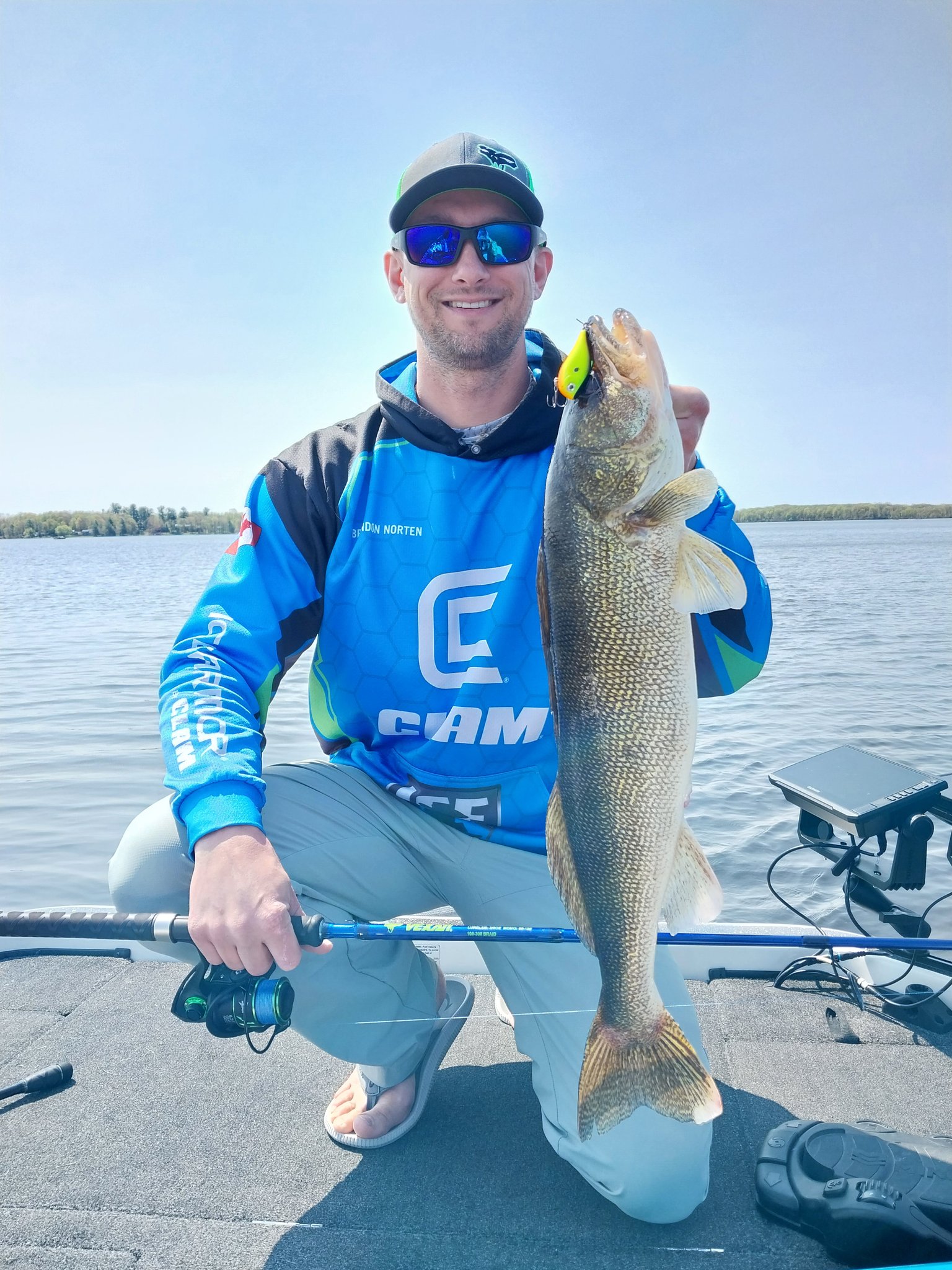
Recommended Gear: Vexan Walleye Series Spinning RodWhy Your Walleye Rod Matters
Snap jigging is a reaction technique. You're not simply dragging a jig across bottom. You're making your lure dart, glide, vibrate, crash into bottom, then suddenly shoot several feet upward before fluttering back down. Most strikes happen on the fall or immediately after the snap, making sensitivity and hook-setting power critical.
The ideal rod should provide:
- Excellent sensitivity
- Fast hooksets
- Enough backbone for large walleyes
- Light weight for all-day casting
- Accurate lure control
- Reduced angler fatigue
Why the Vexan Walleye Rod Excels
When fishing aggressive presentations like:
- Vexan crystal reaper minnows
- Rapala rippin Raps
- Acme Hyper Rattles
- Blade baits
- Snap-jigged plastics
I want a rod that instantly transfers every movement into the lure. It's critical to know when your bait is fouled up, when your bait is fouled, you're missing opportunity. The Vexan Walleye Rod delivers exactly that.
Features I Look For:
- High-modulus graphite construction
- Extremely lightweight
- Fast action tip
- Sensitive blank
- Powerful backbone
- Comfortable handle for casting all day
Whether I'm fishing deep mud flats, gravel flats, weed edges, or suspended fish, this rod gives me complete control.
SHOP THE VEXAN WALLEYE ROD HERE FOR A 15% DISCOUNT
Best Rod Length for Snap Jigging
The best rod that I recommend:
Length: 7'4"
Power: Medium-Light to Medium
Action: Fast or Extra Fast
This combination allows you to:
- Cast farther
- Work jigging minnows efficiently
- Keep fish pinned
- Feel subtle bites
- Maintain lure control
Why Fast Action Is Critical
A fast action rod loads quickly for better bait control and reaches the backbone fast to drive the hooks home.
That means:
- More aggressive snaps
- Better bait action
- Immediate hook penetration
- Less slack after the lure falls
Walleyes often inhale the bait on slack line. Many bites simply feel like extra weight or a tiny "tick," making sensitivity and quick hooksets especially important.
Snap Jigging Rattle Baits
One of my favorite summertime patterns is snap jigging lipless crankbaits and vibrating rattle baits over:
- Deep sand flats
- Gravel flats
- Wind-blown points
- Rock bars
- Roaming schools
The retrieve is simple:
Cast long. Let the bait reach bottom. Snap the rod upward. Allow the bait to fall on semi-slack line. Repeat. Most fish strike during the fall. Because of this, sensitivity is everything.
Fishing Jigging Minnows
Jigging minnows continue to dominate throughout the open-water season.
These baits imitate:
- Dying bait
- Shiners
- Perch
- Young-of-year baitfish
Snap them aggressively. Pause. Let them glide. Watch your line. Often, your line simply jumps before you ever feel the fish. This technique excels when walleyes are grouped on offshore flats or feeding aggressively, especially when you need to trigger reaction strikes rather than relying on a slow presentation.
My Favorite Line Setup
I pair my Vexan rod with:
- 10 lb braided mainline
- 10-12 lb fluorocarbon leader
- 2000 spinning reel
This setup maximizes sensitivity while still giving enough strength to land trophy walleyes.
Common Snap Jigging Mistakes
Many anglers:
- Fish too slowly
- Use rods that are too soft
- Fail to watch the line
- Set the hook too late
- Lose bottom contact
Aggressive fish want aggressive movements. Don't be afraid to really rip the bait.
Book a Guided Minnesota Walleye Trip
Want to learn snap jigging firsthand?
I guide anglers across Minnesota using these exact techniques to catch summer and early fall walleyes. Whether you're new to jigging or want to fine-tune your electronics, boat positioning, and lure cadence, a guided trip can shorten the learning curve dramatically.
Book your Minnesota Walleye Guide Trip today and learn how to consistently catch walleyes using snap jigging techniques with rattle baits, jigging minnows, and modern electronics.
Minnesota Guided Walleye Trips
Final Thoughts
The rod you choose directly affects:
- Casting accuracy
- Sensitivity
- Hook-up ratio
- Fish landing percentage
- Overall confidence
- If you want one rod that excels with jigging minnows, rattle baits, blade baits, and snap jigging presentations, the Vexan Walleye Rod is an excellent option to consider.
Ready to upgrade your setup?
SHOP THE VEXAN WALLEYE ROD HERE FOR A 15% DISCOUNT
-
If you're looking for the best July walleye fishing in Minnesota, now is the time to get on the water. The traditional early-summer structure bite is giving way to one of my favorite patterns of the year—covering water and targeting roaming schools of active walleyes on expansive mud, sand, and gravel flats. Rather than sitting on one spot waiting for fish to bite, we're using aggressive power fishing techniques to locate feeding fish quickly. Once we contact a school, the action can be incredibly fast with multiple fish coming from the same area.
July Walleye Pattern
Water temperatures have pushed walleyes into their mid-summer locations, and many fish are no longer relating tightly to shoreline structure. Instead, they're roaming open flats following baitfish and feeding windows. These fish are constantly moving, which makes mobility the key to success. Electronics play a huge role in locating fish, but just as important is using presentations that allow us to efficiently cover water until we find an active school.
Snap Jigging Is Producing Big Results
One of the most productive techniques right now has been snap jigging. Aggressive rod snaps trigger reaction strikes from walleyes that may ignore slower presentations. Instead of dragging a bait through inactive fish, we're forcing them to make a split-second decision.
Our top presentations include:
- Snap jigging rattle baits
- Jigging minnows
- Snap jigging soft plastics
- Aggressive vertical presentations around roaming schools
These techniques excel because they allow us to quickly search large areas while still triggering quality fish. They're also incredibly effective for bigger, more aggressive summer walleyes.
Why Power Fishing Works in July
Many anglers slow down too much during the summer. When fish are scattered across large flats, slowing down often means fishing where the walleyes aren't. Power fishing lets us eliminate unproductive water and spend more time casting to active fish. By constantly moving and covering water, we locate schools faster and stay on fish throughout the day as they continue to roam. It's an exciting style of fishing that keeps anglers actively casting instead of waiting for bites.
What to Expect on a Guided Trip
Every trip begins with locating active fish using current conditions and electronics before dialing in the best presentation.
Depending on the day, you'll learn how to:
- Snap jig rattle baits
- Fish jigging minnows effectively
- Work plastics with aggressive rod movements
- Read electronics to stay with moving schools
- Understand why walleyes are using specific flats and feeding zones
Whether you're looking to catch more walleyes, improve your electronics skills, or simply enjoy a fun day on the water, July offers some of the most exciting fishing of the season.
Book Your Minnesota Walleye Guide Trip
July is one of the busiest months of the year, and the best dates fill quickly. If you've been thinking about learning power fishing techniques or simply want to experience fast-paced summer walleye action, now is the perfect time to reserve your trip. A guided trip gives you the opportunity to fish proven patterns, learn techniques that continue producing long after the trip is over, and spend more time catching fish instead of searching for them.
Ready to experience Minnesota's outstanding July walleye fishing? Contact Musky Geek Guide Service today to reserve your date before the calendar fills. Book your trip HERE MN Guided Walleye Trip
-
Early summer walleyes are sliding into aggressive feeding windows across Minnesota, and power fishing with a Jigging minnow style bait has been putting some serious numbers fish in the boat lately, and some big ones! My favorite is the Vexan Fishing Crystal Reaper. The best action has been coming in 10–12 feet of water, especially around hard-bottom transitions, scattered rock, and emerging weed edges.
Fish are reacting hard to aggressive snaps and quick cadences right now. Instead of slowing down and finesse fishing, covering water has been key to finding active schools. A sharp upward rip followed by controlled slack has been triggering reaction bites from fish that normally wouldn’t commit to live bait presentations.
Natural baitfish colors have been producing best in clearer water, while brighter patterns are getting attention during low-light periods or stained conditions. Most bites are happening on the fall, so staying focused on line jumps or sudden slack is critical.
Wind-blown shorelines and main lake flats with nearby depth changes have been holding the most consistent fish. The morning bite has been especially strong, but overcast days are keeping fish active longer throughout the afternoon.
A few key patterns making the difference right now:
- Focus on 10–12 foot zones with rock-to-sand transitions
- Cover water fast until active fish are located
- Snap the bait aggressively to trigger reaction bites
- Watch electronics closely for roaming fish just off bottom
- Stay mobile — schools are shifting throughout the day
The shallow Jigging Minnow pattern is only getting better as water temperatures climb, and it’s a great way to target aggressive walleyes while filtering through smaller fish. If the current trend continues, Minnesota anglers are in for an outstanding early summer bite. If you want to learn how to fish this style of power fishing, I have dates available.