-
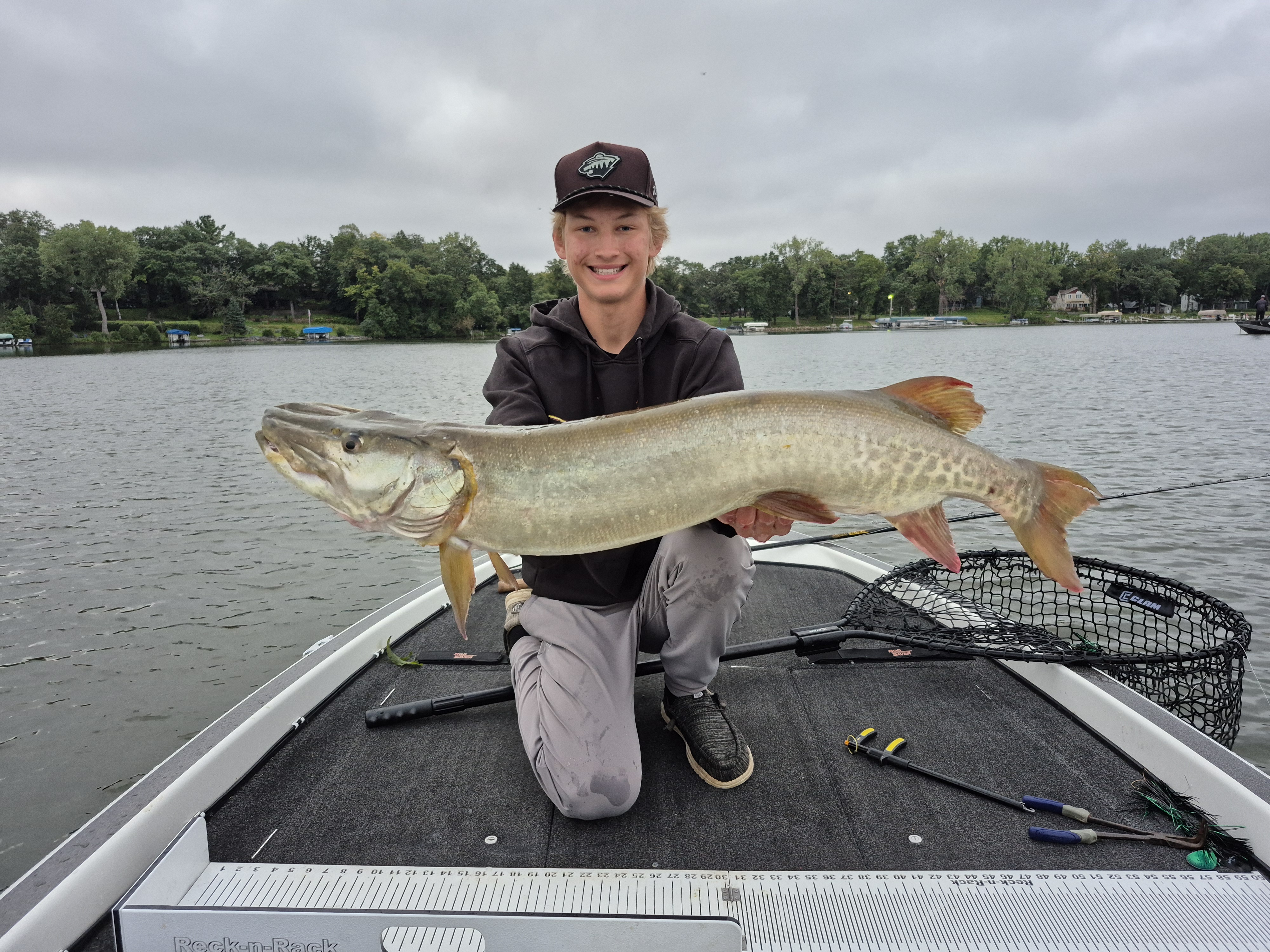
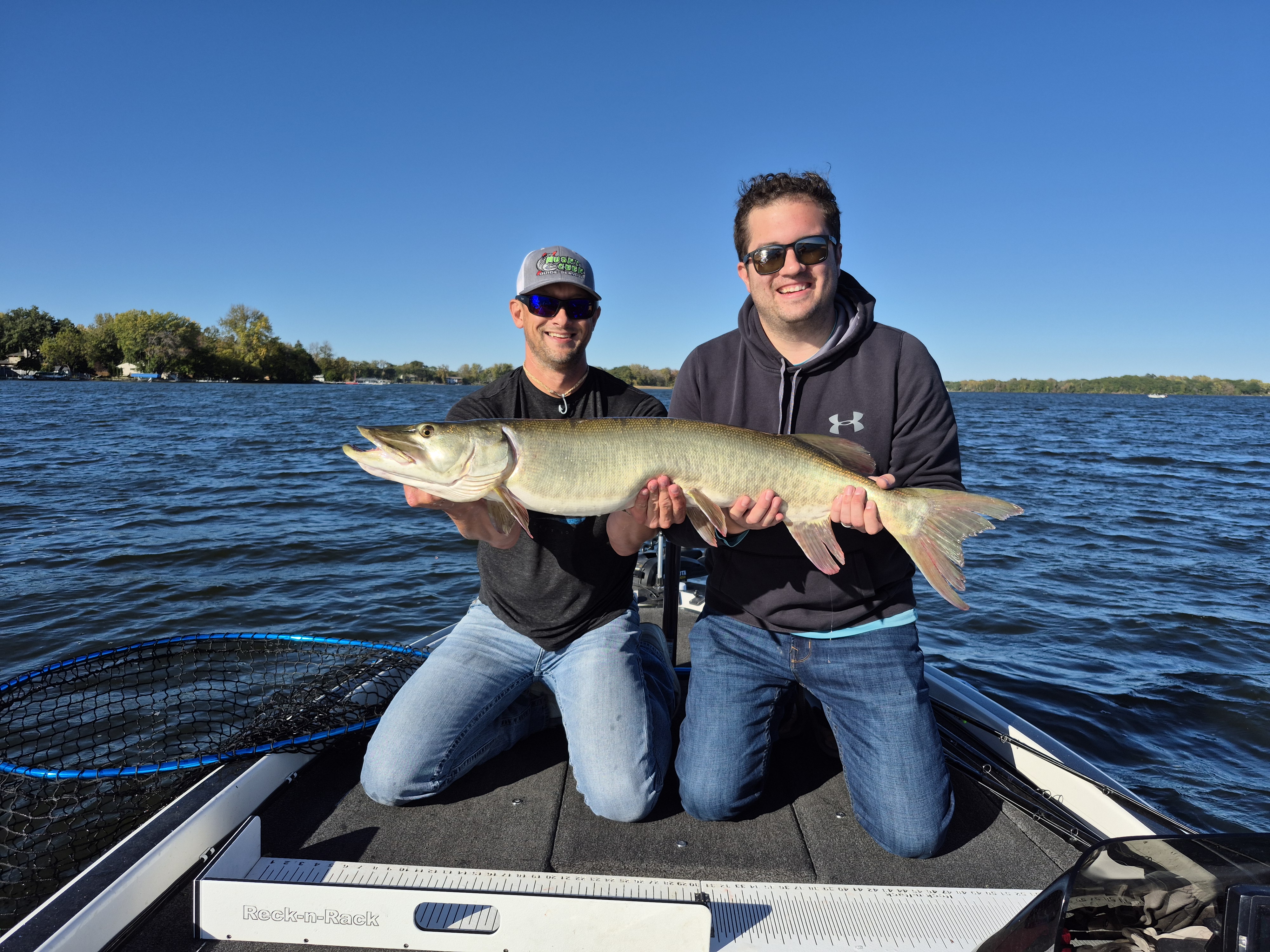
We are reaching peak summer temps so that means the early season is long gone and it's time to put musky fishing on hold until the water cools down. What that means for Musky Geek Guide Service and musky fishing here in the metro area, THE BEST PART OF THE SEASON IS KNOCKING ON THE DOOR! If you're looking for the best month to catch a trophy musky in Minnesota, August deserves to be at the top of your list. While many anglers think fall is the only time giant muskies feed aggressively, experienced musky fishermen know that late summer often produces incredible action. As water temperatures begin to cool from their midsummer highs, muskies become noticeably more active. Feeding windows get longer, fish begin roaming larger areas, and they start positioning around shallow structure to take advantage of schools of baitfish. For anglers willing to cover water and fish aggressively, August can provide some of the most exciting musky fishing of the entire year. As a Minnesota Professional Musky Guide this, in my opinion, is when the magic really starts to happen.
Cooling Water Temperatures Trigger More Activity
Throughout July, water temperatures often remain in the upper 70s or even low 80s on many Minnesota lakes. As August progresses, cooler nights gradually reduce surface temperatures. That slight temperature drop makes a tremendous difference. Muskies become more comfortable moving throughout the day, recover quicker after feeding, and begin increasing their calorie intake in preparation for fall.
Rather than spending long periods suspended in open water, many fish begin revisiting classic shallow feeding areas including:
- Rock reefs
- Weed edges
- Sand and rock transitions
- Shallow cabbage beds
- Wind-blown shorelines
- Isolated boulders
These locations concentrate baitfish and create ideal ambush points for feeding muskies.
Shallow Water Comes Alive
One of the biggest August changes is how many quality fish begin sliding shallow. Large schools of perch, bluegills, juvenile panfish, and young-of-the-year baitfish become more active around shallow cover. Muskies follow this food source.
Don't overlook water less than six feet deep—especially during:
- Early morning
- Evening
- Cloud cover
- Windy conditions
- Before approaching storms
Some of the biggest muskies of the year are caught in surprisingly shallow water during August.
Bucktails Cover Water Better Than Any Other Lure
When muskies are actively roaming, few presentations can match the efficiency of a bucktail.
Bucktails allow anglers to:
- Cover miles of productive shoreline
- Trigger reaction strikes
- Fish efficiently over weeds
- Work through scattered fish quickly
- Locate active muskies faster than slower presentations
Double-bladed bucktails create tremendous flash and vibration that muskies can detect from long distances. When fish are feeding aggressively, they often chase these lures with incredible speed and violence. One of the biggest mistakes anglers make is fishing too slowly. During August, speed frequently triggers strikes that slower retrieves simply cannot.
The Right Bucktail Rod Makes Every Cast Easier
Burning double bladed bucktails all day demands the right equipment. A quality bucktail rod reduces fatigue, improves casting distance, and gives you complete control over heavy resistance baits. A huge improvement is going to a longer rod, espetially for bucktails, I love my 10 footers.
A dedicated bucktail rod should feature:
- Medium Heavy power for small to medium size blades
- Extra Heavy power for medium to large baldes
- A moderate-fast action for casting large blades
- Enough backbone to drive hooks home at long distances
- Comfortable balance for all-day casting
Looking for a rod built specifically for burning big bucktails? Check out the Tackle Industries Bucktail Rod here and enjoy a 15% discount when you use this link Tackle Industries Musky Rods
The right rod doesn't just make fishing more comfortable—it helps you make longer and more accurate casts, keep blades running correctly, and stay fresh during long days on the water.
August Is Prime Time for Explosive Topwater Strikes
Nothing in freshwater fishing compares to watching a giant musky explode on a topwater bait.
August is one of the best months of the year for topwater fishing because muskies are:
- Feeding aggressively near the surface
- Hunting shallow baitfish
- Willing to travel long distances to strike
- Active during low-light conditions
- Topwater lures excel over:
- Thick weeds
- Shallow rock
- Timber
- Calm bays
- Wind-blown flats
Early mornings and evenings often produce unforgettable surface explosions, but don't ignore cloudy afternoons. Some of the biggest fish of the season are caught on topwater in the middle of the day when weather conditions line up.
A Dedicated Topwater Rod Gives You Better Control
Large prop baits and walking-style topwaters perform best on a rod designed specifically for moving oversized lures. For topwater baits, regardless of style, I prefer a slightly shorter rod than one I would use for bucktails. For me, a 9'6" works phenomenal for topwater lures.
The ideal topwater rod offers:
- Excellent casting accuracy
- Enough tip to work the bait correctly
- Powerful backbone for solid hook penetration
- The leverage needed to control trophy muskies boatside
Whether you're throwing prop-style baits, creepers, or walk-the-dog topwaters, using the proper rod makes every retrieve more effective. Upgrade your topwater setup with a Tackle Industries rod, they've been guide tested and approved. Enjoy a 15% discount when you use this link Tackle Industries Musky Rods
When every strike could be the fish of a lifetime, confidence in your equipment matters.
Peak Musky Activity Means Peak Opportunity
August consistently produces multiple-fish days along with legitimate trophy opportunities. Changing weather patterns, cooling water temperatures, and increasing feeding activity combine to create one of the most consistent bites of the year.
This is the month when anglers often experience:
- More follows
- More committed strikes
- More shallow fish
- More daytime activity
- Bigger feeding windows
Simply put, your odds improve.
Book an August Musky Guide Trip Before the Calendar Fills
August is one of the busiest months on my guide calendar—and for good reason. These fish are feeding hard, covering water, and setting up on predictable structure that allows us to fish efficiently and maximize opportunities throughout the day. Whether you're chasing your very first musky or hoping to land a true Minnesota giant, August provides some of the highest-percentage fishing of the entire season.
Every trip includes professional instruction on:
Reading seasonal musky movements
- Boat positioning
- Bucktail retrieves
- Topwater techniques
- Figure-8 mechanics
- Equipment selection
- Fish handling and release
The goal isn't just helping you catch a fish—it's helping you become a better musky angler.
Reserve Your August Date Now
If you'd rather shorten the learning curve and fish during the season's best bite, consider booking one of my Guided Minnesota Musky Trips. Prime August dates disappear quickly every year because experienced anglers understand how productive this period can be. If you've been waiting for the perfect time to book your Minnesota musky adventure, this is it. Book your August musky guide trip today and experience one of the most exciting bites of the season before the calendar is full.
-
Common Musky Fishing Mistakes Anglers Make
Mar 11, 2026
Common Musky Fishing Mistakes Anglers Make (And How to Avoid Them)
Musky fishing is one of the most challenging and rewarding pursuits in freshwater angling. Known as the “fish of 10,000 casts,” muskies demand patience, precision, and a solid understanding of their behavior. Unfortunately, many anglers—both beginners and experienced fishermen—unknowingly make mistakes that drastically reduce their chances of success. As a professional musky fishing guide, I see the same issues come up again and again. In this guide, we’ll break down the most common musky fishing mistakes anglers make and explain how correcting them can immediately improve your results on the water.
1. Fishing Too Fast (Or Too Slow)
One of the biggest musky fishing mistakes is assuming there’s a single “correct” retrieve speed. Muskies are moody predators, and their activity level can change by the hour.
Common mistake:
Anglers stick with one retrieve speed all day, even when fish aren’t reacting.How to fix it:
Vary your retrieve speed until fish show interest. Some days muskies want a fast, erratic presentation; other days they prefer a slow, methodical approach. Pay attention to water temperature, weather conditions, and fish follows to dial in what works.2. Ignoring Prime Structure and Location
Muskies are ambush predators that rely heavily on structure. Casting randomly across open water is a low-percentage approach.
Common mistake:
Fishing everywhere instead of fishing where muskies actually live.How to fix it:
Focus on high-percentage areas like:- Weed edges
- Rock bars
- Points and saddles
- Drop-offs and transitions
- Current breaks
Understanding seasonal musky movements is critical. A musky fishing guide can shorten this learning curve dramatically by showing you where fish set up throughout the year.
3. Not Committing to the Figure Eight
Many muskies are lost—or never caught—boatside.
Common mistake:
Pulling the lure out of the water too early or doing a lazy figure eight.How to fix it:
Every cast should end with a proper figure eight, especially if you’ve had follows during the day. Keep your rod tip down, make wide turns, and change speeds during the maneuver. A surprising number of muskies strike right at the boat.4. Using the Wrong Gear for Musky Fishing
Musky fishing isn’t bass fishing on steroids—it’s its own game.
Common mistake:
Using rods, reels, and line that are underpowered for musky-sized lures and fish.How to fix it:
Make sure you’re using:- Medium Heavy or Extra-heavy Tackle Industries musky rods. (Use discount code muskygeek15 )
- High-capacity baitcasting reels
- 80–100 lb braided line
- Quality leaders rated for musky teeth
Proper gear improves hook-sets, reduces fatigue, and significantly increases landing success.
5. Poor Lure Selection (Too Much or Too Little Variety)
Having the wrong lures—or too many without a plan—can hurt more than help.
Common mistake:
Throwing the same lure all day or constantly switching without learning what fish respond to.How to fix it:
Carry a balanced selection of:- Bucktails
- Glide baits
- Jerkbaits
- Crankbaits
- Topwater lures
- Rubber baits
Pay attention to what produces follows or strikes, then refine your approach. Musky fishing success often comes from making small adjustments, not wholesale changes.
6. Fishing Only During “Comfortable” Conditions
Some of the best musky fishing happens when conditions are less than ideal.
Common mistake:
Avoiding wind, clouds, cold fronts, or rain.How to fix it:
Muskies often feed aggressively during weather changes. Wind can stack baitfish, and overcast skies can extend feeding windows. Learning how conditions affect musky behavior separates average anglers from successful ones.7. Lack of Patience and Mental Focus
Musky fishing is mentally demanding. Losing focus for even a few casts can cost you the fish of a lifetime.
Common mistake:
Getting frustrated, rushing casts, or mentally checking out after slow periods.How to fix it:
Stay locked in. Muskies often appear when you least expect them. Confidence, consistency, and focus are key—especially late in the day when big fish often show up.8. Not Learning From a Musky Fishing Guide
This might be the most overlooked mistake of all.
Common mistake:
Trying to learn everything through trial and error alone.How to fix it:
Fishing with a professional musky guide accelerates learning faster than years of solo fishing. You’ll gain insight into:- Seasonal patterns
- Productive locations
- Proper lure presentation
- Boat positioning
- Fish handling and release
Even experienced anglers benefit from guided trips by picking up subtle techniques that lead to more consistent success.
Final Thoughts: Avoid the Mistakes, Catch More Muskies
Musky fishing is hard—but it doesn’t have to be frustrating. By avoiding these common musky fishing mistakes and making smarter decisions on the water, you’ll dramatically increase your odds of success.
If you’re serious about catching more muskies and shortening the learning curve, fishing with a knowledgeable guide can make all the difference. Whether you’re new to musky fishing or looking to level up your skills, the right guidance turns missed opportunities into unforgettable catches.
Ready to put these tips into action? Book a guided musky fishing trip and start fishing smarter, not harder.
Lack of planning
Soft CTA: “Guided trips eliminate these mistakes.”
-
Figure-8 Mechanics in Musky Fishing: How to Convert More Boatside Follows
Figure-8 mechanics are one of the most important—and most misunderstood—skills in musky fishing. Many anglers lose trophy fish at the boat not because the lure or location was wrong, but because their figure-8 technique failed to trigger a strike. Understanding how muskies react at boatside and applying proper figure-8 mechanics will dramatically increase your hookup ratio on follows.
This guide breaks down the essential mechanics of the figure-8 in musky fishing, from rod position and speed control to depth management and reading fish behavior.
Why Figure-8 Mechanics Matter in Musky Fishing
Muskies are apex predators designed for ambush and pursuit. When a musky follows a lure to the boat, it has already committed time, energy, and interest. What stops many strikes is a sudden change in speed, direction, or depth right at boatside. The figure-8 keeps the lure moving in a predictable yet triggering pattern that mimics fleeing prey. Proper figure-8 mechanics force a musky to make a decision—either strike immediately or lose the opportunity. For pressured fish especially, a clean and controlled figure-8 is often the final trigger.
Start the Figure-8 Before the Lure Reaches the Boat
One of the most common figure-8 mistakes is starting too late. Proper mechanics begin several feet before the lure reaches the rod tip.
As the lure approaches the boat:
- Lower the rod smoothly
- Extend your arms forward
- Maintain lure speed and depth
Avoid lifting or pausing the bait at the surface. Any hesitation can break the musky’s tracking rhythm and cause it to fade away. A good figure-8 should feel like a natural extension of the retrieve—not a sudden, forced motion.
Proper Rod Position and Body Mechanics
Rod position plays a major role in effective figure-8 mechanics. Keep the rod low and pointed toward the water, ideally with the tip just below the surface. This allows the lure to stay submerged and maintain consistent speed through turns. Use your shoulders, arms, and torso to guide the rod—not just your wrists. Wide, sweeping turns create smoother arcs that large muskies can follow without losing alignment. Along rod is crucial to making wide turns, look at the Tackle Industries 9'6 or 10' rods. Use discount code muskygeek15 for 15% off.
Speed Control: Matching the Musky’s Mood
Speed is one of the most critical elements of a successful figure-8. Many anglers slow down too much at boatside, giving the fish time to inspect the lure instead of react.
In most situations:
- Maintain the same speed as your retrieve
- Slightly slow down at the outside of your turns turns
- Increase speed as the fish closes distance
Aggressive muskies often respond best to a slight slow down at the outside of your turn as they try to "T-Bone" the bait. Neutral or lazy followers typically prefer steady speed with clean, predictable corners. The key is intentional speed changes—not panic-driven movements.
Depth Control and Vertical Movement
Depth consistency is just as important as horizontal movement during a figure-8. Keep the lure running at the same depth it was during the retrieve, or slightly deeper if possible. Avoid letting the bait rise toward the surface unless you are deliberately attempting to trigger a reaction strike. Rising baits often cause muskies to lose tracking alignment. Subtle vertical movements—such as a slight dip on straightaways—can sometimes imitate a wounded baitfish, but excessive lifting and dropping usually hurts more than it helps.
Read the Fish, Not the Figure-8 Pattern
While the figure-8 is the standard boatside maneuver in musky fishing, it shouldn’t be treated as a rigid formula. The best anglers adjust their mechanics based on the fish’s behavior. Wide, relaxed followers respond well to big turns. Tight, nose-down fish often need faster, shorter patterns. Some fish react better to ovals, circles, or modified “L” turns. Let the musky dictate the movement. Reacting to the fish is far more effective than forcing a textbook pattern.
Make the Figure-8 Automatic on Every Cast
Consistency is the final key to mastering figure-8 mechanics. Every cast—whether you see a fish or not—should end with a proper figure-8. This builds muscle memory and ensures that when a trophy musky appears unexpectedly, your movements remain smooth and confident. In musky fishing, opportunities are rare and fleeting. When a fish finally commits at boatside, flawless figure-8 mechanics can be the difference between another follow and the fish of a lifetime.