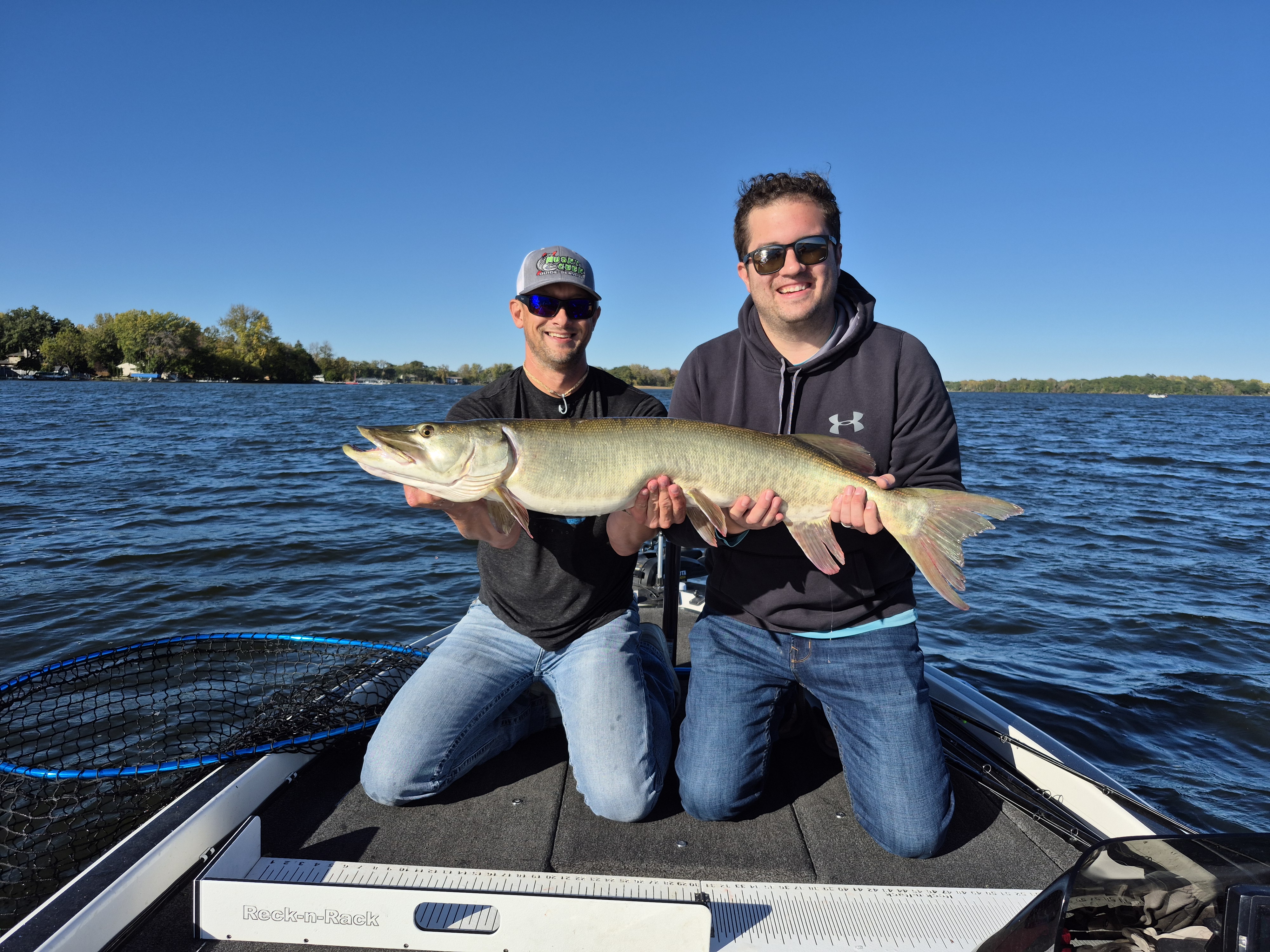
-
The Perfect Bucktail Rod
Mar 27, 2026
Benefits of a Long Medium Heavy Rod for Bucktail Fishing
Bucktails are hands-down one of the most productive musky lures of all time. From early summer weeds to fall turnover edges, they flat-out catch fish. But to get the most out of bucktails, rod selection matters more than most anglers realize. One of the most overlooked yet effective tools for bucktail fishing is a long medium heavy musky rod.
If you’re serious about casting bucktails efficiently, reducing fatigue, and converting follows into hooked fish, here’s why a long medium heavy rod deserves a permanent spot in your musky rod lineup.
Better Bucktail Control and Consistent Speed
Bucktails work best when they’re run clean, straight, and at a consistent speed. A long medium heavy rod provides the perfect balance of backbone and tip flex to keep blades spinning smoothly without overpowering the bait.
Compared to extra-heavy rods, a medium heavy blank loads more naturally during the retrieve. This helps prevent surging the bait, especially when slow-rolling single or double bladed bucktails over weeds or along structure. You’ll feel the blades working without fighting the rod, which leads to better presentation and more confident retrieves.
Longer Casts with Less Effort
Distance matters in musky fishing. Covering water efficiently increases your chances of contacting active fish, and a long musky rod (9’6” to 10’) gives you a clear advantage.
A long medium heavy rod loads deeper on the cast than a stiff heavy rod, allowing you to launch bucktails farther with less physical effort. This is especially important when casting all day, guiding clients, or fishing high-percentage areas where repeated casts are required.
Longer casts also mean:
- More time in the strike zone
- Cleaner retrieves at proper depth
- Less boat noise near fish
- Reduced Angler Fatigue Over Long Days
Bucktails are often burned, ripped, and retrieved continuously for hours at a time. An overly stiff or heavy rod can wear an angler down fast, a medium heavy rod shines here. The lighter power reduces wrist, elbow, and shoulder strain while still offering plenty of control over mid-size bucktails. Paired with a long handle and proper reel balance, this setup allows anglers to fish longer, stay focused, and make better figure eights at the end of each cast. My favorite of all-time for casting small to mid sized bucktails is the Tackle Industires 10 foot Medium Heavy. Use discount code muskygeek15 to save on a new rod.
This is especially valuable for:
- Multi-day trips
- Guide clients new to musky fishing
- Late summer and fall marathon sessions
- Superior Figure-8 Performance
Musky fishing doesn’t end at the boat—it often starts there. A long medium heavy rod excels in the figure eight, which is critical for triggering following fish.
The longer length allows for wider turns, deeper dips, and smoother directional changes without pulling the bait out of the water. The slightly softer tip keeps the bucktail tracking naturally through the turns, increasing the chance of a strike boatside.
Extra-heavy rods can feel rigid in tight figure eights, while medium heavy rods offer better finesse and control—especially when fish are following but not fully committed.
Strong Hooksets Without Overpowering the Fish
A common misconception is that bucktails require the stiffest rod possible. In reality, a medium heavy rod provides more than enough backbone to drive hooks home while offering better shock absorption during the fight.
This is crucial when:
- Fish strike close to the boat
- Hooks are lightly pinned on side swipes
- Fish surge boatside
The rod’s flex helps keep hooks buried and reduces pulled hooks, especially on short-line strikes that are common with bucktails.
Ideal for a Wide Range of Bucktails
One of the biggest advantages of a long medium heavy rod is versatility. It handles a wide range of bucktails comfortably, including:
- Single Colorado bucktails
- Double 8s and Double 9s
- Smaller rubber-skirt bucktails
- Night fishing bucktails
Instead of switching rods constantly, anglers can rely on one setup that excels across multiple conditions and lure styles.
Why Guides Prefer Medium Heavy Bucktail Rods
As a musky guide, efficiency and consistency matter. Medium heavy bucktail rods are forgiving for clients, easy to cast, and effective in all skill levels. They help clients:
- Learn proper casting mechanics
- Maintain clean retrieves
- Execute effective figure eights
Most importantly, they help clients catch fish—which is always the goal.
Final Thoughts
When it comes to bucktail fishing for muskies, a long medium heavy rod is one of the most effective and angler-friendly tools you can use. It offers better lure control, longer casts, reduced fatigue, improved figure eights, and higher hookup percentages.
Whether you’re casting weed edges in midsummer or grinding out fall fish, this rod setup helps you fish smarter, longer, and more efficiently.
If you’re looking to improve your bucktail game or want hands-on instruction with proven musky gear, book a guided trip and see the difference proper rod selection makes on the water.
-
Figure-8 Mechanics in Musky Fishing: How to Convert More Boatside Follows
Figure-8 mechanics are one of the most important—and most misunderstood—skills in musky fishing. Many anglers lose trophy fish at the boat not because the lure or location was wrong, but because their figure-8 technique failed to trigger a strike. Understanding how muskies react at boatside and applying proper figure-8 mechanics will dramatically increase your hookup ratio on follows.
This guide breaks down the essential mechanics of the figure-8 in musky fishing, from rod position and speed control to depth management and reading fish behavior.
Why Figure-8 Mechanics Matter in Musky Fishing
Muskies are apex predators designed for ambush and pursuit. When a musky follows a lure to the boat, it has already committed time, energy, and interest. What stops many strikes is a sudden change in speed, direction, or depth right at boatside. The figure-8 keeps the lure moving in a predictable yet triggering pattern that mimics fleeing prey. Proper figure-8 mechanics force a musky to make a decision—either strike immediately or lose the opportunity. For pressured fish especially, a clean and controlled figure-8 is often the final trigger.
Start the Figure-8 Before the Lure Reaches the Boat
One of the most common figure-8 mistakes is starting too late. Proper mechanics begin several feet before the lure reaches the rod tip.
As the lure approaches the boat:
- Lower the rod smoothly
- Extend your arms forward
- Maintain lure speed and depth
Avoid lifting or pausing the bait at the surface. Any hesitation can break the musky’s tracking rhythm and cause it to fade away. A good figure-8 should feel like a natural extension of the retrieve—not a sudden, forced motion.
Proper Rod Position and Body Mechanics
Rod position plays a major role in effective figure-8 mechanics. Keep the rod low and pointed toward the water, ideally with the tip just below the surface. This allows the lure to stay submerged and maintain consistent speed through turns. Use your shoulders, arms, and torso to guide the rod—not just your wrists. Wide, sweeping turns create smoother arcs that large muskies can follow without losing alignment. Along rod is crucial to making wide turns, look at the Tackle Industries 9'6 or 10' rods. Use discount code muskygeek15 for 15% off.
Speed Control: Matching the Musky’s Mood
Speed is one of the most critical elements of a successful figure-8. Many anglers slow down too much at boatside, giving the fish time to inspect the lure instead of react.
In most situations:
- Maintain the same speed as your retrieve
- Slightly slow down at the outside of your turns turns
- Increase speed as the fish closes distance
Aggressive muskies often respond best to a slight slow down at the outside of your turn as they try to "T-Bone" the bait. Neutral or lazy followers typically prefer steady speed with clean, predictable corners. The key is intentional speed changes—not panic-driven movements.
Depth Control and Vertical Movement
Depth consistency is just as important as horizontal movement during a figure-8. Keep the lure running at the same depth it was during the retrieve, or slightly deeper if possible. Avoid letting the bait rise toward the surface unless you are deliberately attempting to trigger a reaction strike. Rising baits often cause muskies to lose tracking alignment. Subtle vertical movements—such as a slight dip on straightaways—can sometimes imitate a wounded baitfish, but excessive lifting and dropping usually hurts more than it helps.
Read the Fish, Not the Figure-8 Pattern
While the figure-8 is the standard boatside maneuver in musky fishing, it shouldn’t be treated as a rigid formula. The best anglers adjust their mechanics based on the fish’s behavior. Wide, relaxed followers respond well to big turns. Tight, nose-down fish often need faster, shorter patterns. Some fish react better to ovals, circles, or modified “L” turns. Let the musky dictate the movement. Reacting to the fish is far more effective than forcing a textbook pattern.
Make the Figure-8 Automatic on Every Cast
Consistency is the final key to mastering figure-8 mechanics. Every cast—whether you see a fish or not—should end with a proper figure-8. This builds muscle memory and ensures that when a trophy musky appears unexpectedly, your movements remain smooth and confident. In musky fishing, opportunities are rare and fleeting. When a fish finally commits at boatside, flawless figure-8 mechanics can be the difference between another follow and the fish of a lifetime.